Alkmaar Sticks to Ban on Israeli Football Fans as Diplomatic Pressure and Legal Threats Mount
Alkmaar mayor Anja Schouten has reaffirmed the ban on Hapoel Be'er Sheva supporters for the October 15 Europa League match against AZ, citing security risks linked to the 2024 Amsterdam violence. Israel has applied diplomatic pressure, including a call from the ambassador and a foreign minister-level discussion, but the municipality stands firm. A US-based legal group is considering a discrimination lawsuit.
If you’re an international living in the Netherlands and planning to attend a football match anytime soon, the standoff in Alkmaar is a case study in how Dutch municipalities handle security risks — and how that can clash with international diplomacy.
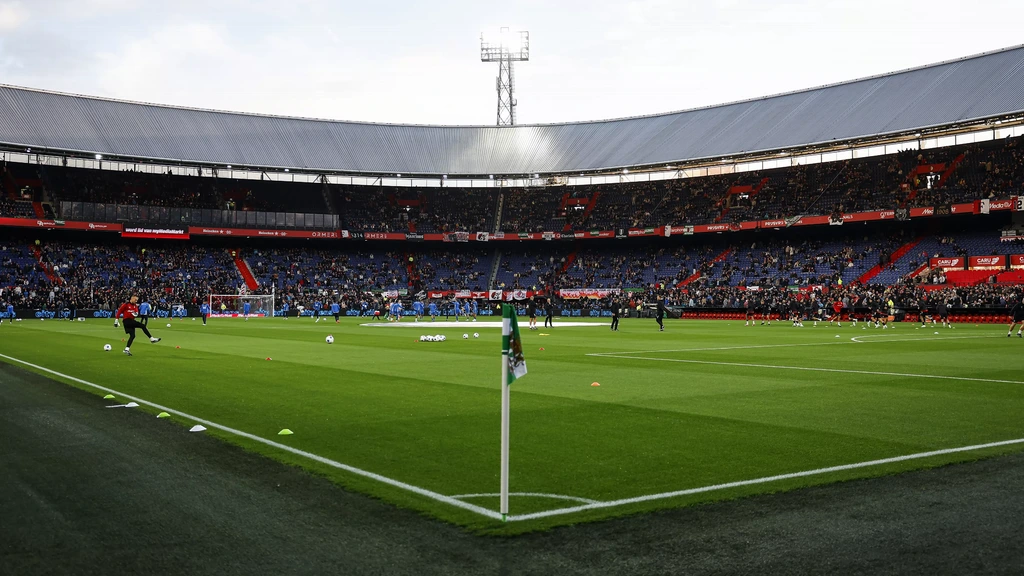
On October 15, AZ Alkmaar is set to host Israeli club Hapoel Be’er Sheva in a Europa League match at the AFAS Stadium. But no away supporters will be allowed. The ban, reaffirmed by mayor Anja Schouten during an emergency council debate on October 6, has drawn sharp criticism from Israel and a potential legal challenge from a pro-Israel advocacy group.
Why the ban?
Schouten’s decision is rooted in the violent events of November 2024, when fans of Maccabi Tel Aviv were attacked in Amsterdam before and after a match against Ajax. That night, coordinated assaults, threats, and intimidation targeting Israeli supporters — and some retaliatory violence — shocked the city and led to a national debate on antisemitism and public order.
In Alkmaar, the mayor said the security risks for Hapoel supporters are “too great.” Unlike a standard match day, Israeli fans were expected to arrive in the Netherlands as early as Tuesday and stay through the weekend due to a holiday, meaning they would be in and around Alkmaar for several days. “Maintaining public order and safety is not limited to the stadium or match day,” Schouten told the council, as reported by NL Times. “What we are doing is making decisions so that the chance of violence becomes many times smaller.”
She consulted with Amsterdam mayor Femke Halsema, the police, and the public prosecutor before reversing an earlier indication that away fans would be welcome.
Diplomatic pressure intensifies
With three days to go, Israel has escalated its response. Ambassador Zvi Aviner Vapni called Schouten directly on October 12 to express “major questions about the justification” of the ban, according to NOS. He proposed allowing a limited number of fans, or alternatively moving the match to a neutral venue abroad. The mayor’s spokesperson replied that the decision stands and the match will be played without visiting supporters.
At a higher level, Israeli foreign minister Gideon Sa’ar raised the issue with Dutch foreign minister Tom Berendsen. The Dutch foreign ministry confirmed the conversation took place but declined to comment on specifics.
Legal questions and common practice
The Lawfare Project, a US-based pro-Israel legal group, told DutchNews.nl it is examining possible legal action, arguing the ban is discriminatory. They note that UEFA rates Hapoel’s supporters as only “medium risk,” and that if security cannot be guaranteed for them, then no one should be allowed to attend.
But banning away fans is not unusual in Dutch football. In December 2024, Amsterdam barred Lazio supporters from a Europa League match against Ajax over the risk of anti-Semitic and racist incidents. Enschede’s mayor similarly banned Besiktas fans before reversing the decision after the Turkish club provided security guarantees.
AZ has clarified that the ban applies only to Hapoel ticket holders and displays of support for the opposing club in the stadium — not to Israeli nationals in general. No tickets had been sold before the decision, so no fans were left out of pocket.
What this means for you as an expat
For internationals living in the Netherlands, this episode highlights a few key things:
- Local authorities have broad discretion to restrict public gatherings, including football matches, if they judge the risk of disorder is high. The mayor (burgemeester) has the final say, not the club or the national government.
- The polder model in action: the mayor consulted Amsterdam, police, and the public prosecutor before deciding. This consensus-seeking approach is typical, even when the outcome is controversial.
- Diplomatic pressure doesn’t easily override local decisions. Despite Israel’s high-level intervention, Alkmaar is holding firm — a reminder that Dutch municipalities operate with significant autonomy on public order matters.
If you’re an AZ fan, expect a match without visiting supporters. If you’re a Hapoel fan, you won’t be able to attend. And if you’re just observing, this is a clear example of how security risk assessments can override even UEFA’s own risk classifications.
The match goes ahead on October 15. Whether the Lawfare Project will file a formal complaint remains to be seen, but for now, the ban is set in stone.
Sources
Part of the dossier
Alkmaar bans Israeli football supporters →