Border checks expand inland and Schiphol delays worsen: What internationals need to know
From October 1, the Marechaussee can conduct border checks up to 20 km inside the Netherlands, easing congestion in border towns but increasing random stops for drivers. Meanwhile, Schiphol's digital EES system caused 110-minute waits in early September, with internal documents calling the situation 'critical.' Internationals should carry residence documents and allow extra travel time.
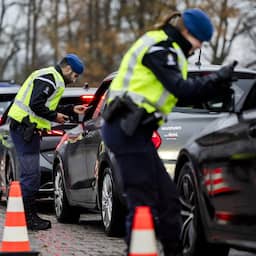
From October 1, the Royal Netherlands Marechaussee will be allowed to conduct border controls up to 20 kilometers inside the Dutch border, a move aimed at reducing traffic congestion in border municipalities. At the same time, Schiphol Airport is grappling with severe delays caused by a new digital border screening system that pushed wait times to 110 minutes in early September — a situation internal documents describe as “critical.”
For internationals living in the Netherlands, both developments mean more friction at border points, whether you’re driving into Germany or Belgium, or flying home from Schiphol.
Marechaussee checks move inland
The Marechaussee — the military police force responsible for border control, among other tasks — has long been limited to checking documents right at the border line. Starting October 1, they can set up controls anywhere within a 20-kilometer zone inside the country, according to NU.nl. The change is meant to ease traffic jams in border towns like Kerkrade, Baarle-Nassau, and Sluis, where checks often caused tailbacks.
What does this mean for you? If you regularly drive across the border — for work, shopping, or visiting family — you may encounter more random checks on Dutch highways and secondary roads near the frontier. The Marechaussee can stop any vehicle and ask for identification and residence documents. Make sure you always carry your passport or residence permit (and your foreign registration certificate if you have one). A driver’s license is not sufficient proof of legal stay.
Schiphol’s digital border system under strain
Meanwhile, the Entry/Exit System (EES) — a Europe-wide digital border database — has been causing chaos at Schiphol since it went live last October. The system uses 161 kiosks where EU passport holders scan their documents, fingerprints, and face. But recurring outages have led to long queues. On September 2, wait times hit 93 minutes; by early September they peaked at 110 minutes, reports NL Times, citing internal Schiphol documents obtained by Het Parool. The evaluation notes: “The border-control process is experiencing significant disruption due to recurring outages in the EES.”
Problems aren’t limited to arrivals. Departing British passengers couldn’t use the gates at all for a full day, and Turkish travelers were also blocked from self-service kiosks. The documents say “emergency measures have been taken,” but passengers have missed flights and departures have been delayed.
For internationals, the EES affects you directly if you hold a non-EU passport (even with a residence permit) — you’ll be processed manually, but the system failures slow down everyone. If you’re an EU citizen living in the Netherlands, you can use the digital kiosks — but when they go down, you join the regular queue.
What connects these two stories?
Both changes stem from the same EU-wide push to digitize and tighten border controls after the 2015 Paris and 2016 Brussels attacks. The Marechaussee’s new inland authority gives them more flexibility to catch overstayers and irregular entries without clogging border crossings. The EES is meant to track entries and exits of non-EU nationals automatically. But the technical teething problems at Schiphol show the system isn’t ready for full rollout.
Practical advice for expats
- At Schiphol: Arrive at least three hours before an international flight, even if you have EU citizenship. Check the Schiphol website for live wait times before you leave home.
- On the road near borders: Keep your residence document or passport handy. The Marechaussee can check you up to 20 km inside the Netherlands from October 1. If you’re stopped, you have the right to ask for the officer’s ID and the reason for the check.
- Residence permit holders: Remember that your permit is your proof of legal stay. If you have a verblijfsvergunning (residence permit) card, carry it with you when traveling.
- Contact: For questions about border checks, call the Marechaussee at 0900-8844 (Dutch) or visit their website. For Schiphol delays, contact your airline or the airport’s customer service.
The situation at Schiphol is unlikely to improve quickly — the EES is a European system, and fixes require coordination with Brussels. The Marechaussee’s new powers, meanwhile, are permanent. Expect more checks, and plan accordingly.
Sources
- Marechaussee mag vanaf 1 oktober verder van grens controleren September 24, 2026
- Marechaussee mag vanaf 1 oktober weer verder van grens controleren September 24, 2026
- New border checks at Schiphol pushed wait time to almost 2 hours in early September September 25, 2026
Part of the dossier
Marechaussee mag vanaf 1 oktober verder van grens controleren →