Dutch Cabinet on Thin Ice as General Political Debate Heats Up: What It Means for Expats
The Dutch cabinet faces a critical test as the annual General Political Debate begins, with opposition leader Jesse Klaver threatening to withdraw support. For expats, the outcome could affect housing, immigration, and tax policies. The debate continues until 18 September.
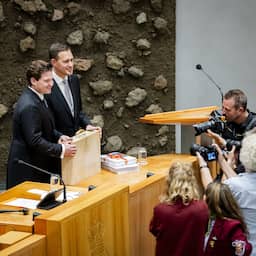
The annual General Political Debate (Algemene Politieke Beschouwingen) kicked off in The Hague on 16 September 2026, with the Dutch cabinet scrambling to secure a parliamentary majority amid sharp exchanges between coalition partners and opposition leaders. For internationals living in the Netherlands, the outcome of this three-day parliamentary session could shape everything from housing policy to immigration rules for years to come.
Tensions Flare Between D66 and GroenLinks-PvdA
As the debate opened, D66 parliamentary leader Jan Paternotte took aim at the hardline stance of GroenLinks-PvdA leader Jesse Klaver. According to live reports from NU.nl, Paternotte accused Klaver of adopting an unnecessarily confrontational position that could destabilize the government. Klaver, however, countered that it would be “a disgrace” (een schande) if the cabinet were to fall, as reported by NU.nl.
This friction is not just political theater. The cabinet—a coalition of four parties including the VVD, D66, CDA, and ChristenUnie—relies on support from opposition parties like GroenLinks-PvdA to pass key legislation. Without that support, the government could face a motion of no confidence or be forced to call early elections.
What This Means for Expats and Internationals
For the estimated 1.5 million internationals in the Netherlands, the stakes are high. The cabinet’s agenda includes potential changes to the 30% ruling for expats, stricter requirements for family reunification, and new housing allocation rules that prioritize Dutch nationals. If the government falls, these proposals could be delayed or scrapped entirely—but so could any protections for renters or improvements to the IND (Immigration and Naturalisation Service) processing times.
Moreover, a political crisis often leads to a demissionair (caretaker) cabinet, which cannot make major policy changes. That means uncertainty for anyone waiting on a residence permit extension, a housing permit, or a tax benefit like the toeslag (allowance). The Tweede Kamer (the Dutch House of Representatives) would continue to function, but without a full government, new laws would stall.
The Coalition Arithmetic
To understand the drama, you need to know the numbers. The current coalition holds 77 of 150 seats in the Tweede Kamer—a razor-thin majority. GroenLinks-PvdA, with 17 seats, is one of the largest opposition parties. If Klaver withdraws support, the cabinet would need to find alternative allies, likely among smaller parties like the PvdD (Party for the Animals) or the SP (Socialist Party), which have their own demands.
Paternotte’s criticism suggests the coalition is unwilling to bend to Klaver’s demands, which reportedly include stricter climate targets and a halt to certain immigration restrictions. The polder model—the Dutch tradition of consensus-building—is being tested, and the outcome is far from certain.
What Happens Next?
The debate continues through 18 September. Key moments to watch include the prime minister’s response to opposition motions and any surprise announcements from coalition partners. For expats, the practical advice is to monitor government.nl for updates on pending legislation and to contact your local gemeente (municipality) if you have urgent questions about housing or permits.
As one political analyst noted, “The Algemene Politieke Beschouwingen is where governments are made and broken. This year, it’s looking more like the latter.”
Sources
- Live politiek | Klaver zou het 'een schande' vinden als kabinet valt September 16, 2026
- Live | Kabinet zoekt meerderheid tijdens belangrijkste debat van het jaar September 16, 2026
- Live politiek | Paternotte hekelt harde opstelling van Klaver September 16, 2026
Part of the dossier
Dutch General Political Debate (Algemene Politieke Beschouwingen) →