Dutch cocaine brokers in Colombia: 55 suspects, planned kidnappings, and extortion of Kinky clients
Dutch police have identified 55 suspects linked to cocaine trafficking from Colombia, including two key brokers arrested in February. The investigation uncovered plans to kidnap the girlfriend of a man who stole a €700,000 cocaine shipment, and extortion of over 1,000 clients of the sex work website Kinky. Pre-trial hearings began in Zwolle on August 24.
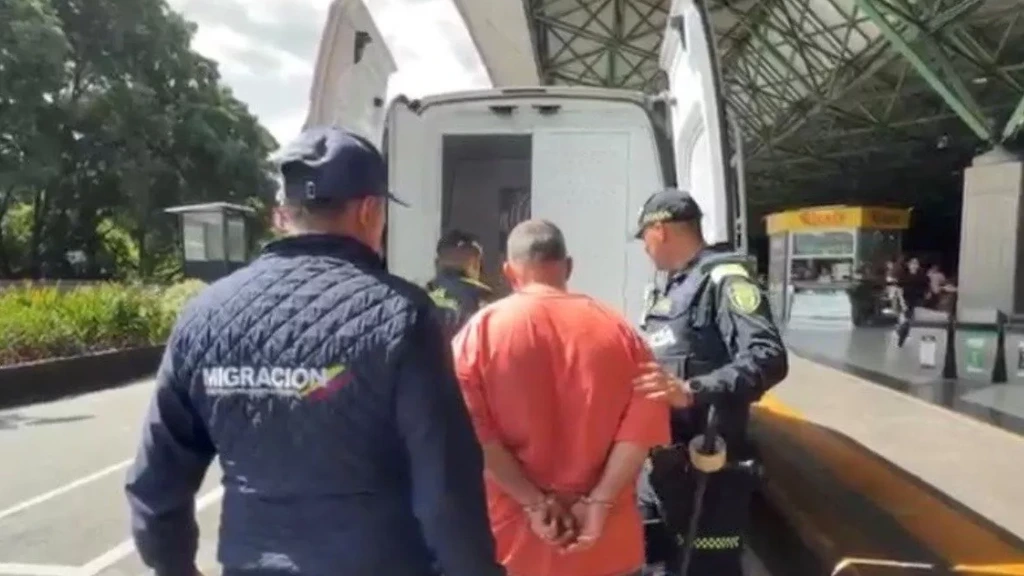
A sprawling investigation into two Dutch men accused of brokering cocaine shipments from Colombia has ballooned to 55 suspects, with 35 already arrested, prosecutors revealed this week as pre-trial hearings opened in Zwolle. The case, which began with a national police probe in January 2025, now encompasses drug trafficking, money laundering, extortion, and planned kidnappings — including a plot to abduct the girlfriend of a man who allegedly stole a €700,000 cocaine shipment.
The two main suspects, Dutch men aged 42 and 47, were arrested in Colombia in February 2026 and are still awaiting extradition, a process that can take more than a year. According to the Dutch Public Prosecution Service, the pair acted as crucial links between Colombian cartels and cocaine buyers in the Netherlands, arranging shipments of hundreds of kilos at a time. Their arrests followed more than a year of joint investigation between Dutch and Colombian police NOS.
Intercepted chat messages led investigators to a web of associates, sparking twelve further investigations. One of those probes focuses on four men who allegedly prepared to kidnap the girlfriend of a man suspected of stealing a cocaine consignment in 2024. The theft left a debt of more than €700,000, and a threatening letter was left at the suspect's door demanding payment. Prosecutors say the kidnapping was ordered from Colombia but never carried out; they do not know why it was called off DutchNews.
Another investigation targets two men accused of extorting roughly 1,000 clients of the sex-work website Kinky. The victims allegedly faced threats of serious violence unless they paid up, and police believe the pair raked in more than €100,000. The extortion scheme is a striking example of how drug-related crime can spill over into other forms of organised intimidation NOS.
What this means for internationals in the Netherlands
For expats and internationals living in the Netherlands, this case offers a window into the scale and reach of Dutch organised crime — and the effectiveness of international police cooperation. The Netherlands has invested heavily in working with Colombia, and prosecutors say that investment is now paying off, with several Dutch nationals arrested in South America. The two main suspects had been living in Colombia for years, using their networks to mediate cocaine deals.
While the extortion of Kinky clients is a reminder that no one is immune from criminal targeting, the broader takeaway is reassuring: Dutch police are actively dismantling these networks, and the justice system is moving cases forward. The pre-trial hearings in Zwolle, which began on 24 August 2026, are a procedural step; full trials will only start once the main suspects are extradited, which could take more than a year.
For those living in the Netherlands on a residence permit, there is no direct impact on your legal status. However, if you use online platforms for dating or sex work, be aware that criminals may attempt to exploit users. The police advise reporting any threats or extortion attempts immediately.
Broader context
The case also underscores the Netherlands' role as a transit hub for cocaine entering Europe. Colombian cartels rely on Dutch brokers to connect with European buyers, and the country's ports — especially Rotterdam — are key entry points. The government has stepped up port security and police cooperation with Latin American countries, but the sheer volume of shipments remains a challenge.
Meanwhile, in a separate development in Mexico, Governor Rubén Rocha Moya of Sinaloa briefly returned to office after a 112-day absence following US drug-trafficking allegations, only to request another leave. While not directly linked to the Dutch case, it illustrates the broader international web of drug-related investigations and the political fallout they can trigger Al Jazeera.
Key takeaways
- 55 suspects identified, 35 arrested.
- Two main Dutch suspects arrested in Colombia in February 2026; extradition pending.
- Planned kidnapping of a suspect's girlfriend over a €700,000 cocaine theft.
- Extortion of over 1,000 Kinky website clients, netting more than €100,000.
- Pre-trial hearings began in Zwolle on 24 August 2026.
- Dutch-Colombian police cooperation is yielding results.
Sources
- Mexico’s president condemns governor’s brief return to office August 24, 2026
- Tientallen verdachten in beeld rond Nederlandse drugsmakelaars in Colombia August 24, 2026
- Dutch cocaine-broker case in Colombia grows to 55 suspects August 25, 2026
Part of the dossier
Dutch Drug Trafficking & International Crime →