From Overasselt to Your Front Door: How Dutch Criminals Are Taking Over Homes—and What It Means for You
Dutch drug crime is escalating: 32 suspects remain held for the Overasselt shooting, while a Pointer investigation reveals criminals taking over vulnerable tenants' homes in 50+ municipalities. For expats, this means knowing your housing rights and reporting suspicious activity to protect your residence permit.
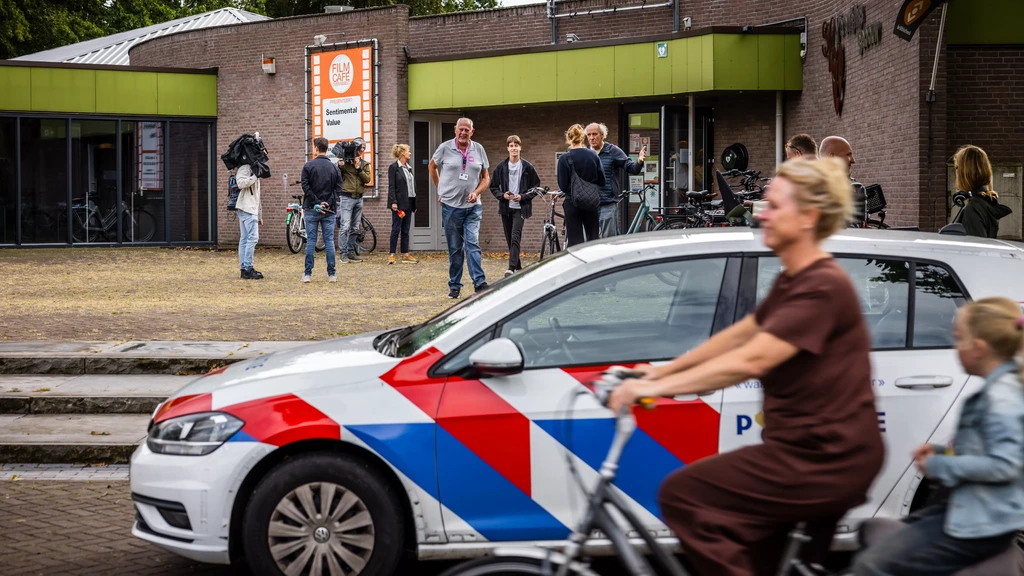
When heavily armed men opened fire in the quiet Gelderland village of Overasselt on the night of August 31, killing a 51-year-old security guard, the Netherlands looked less like a stable democracy and more like a battleground for organized crime. But while that attack made international headlines, a quieter, more insidious threat is spreading across the country—one that could affect anyone living in social housing, including expats on residence permits. In the past two weeks, two seemingly separate stories have converged: the government's denial that the Netherlands is a narco-state, and a new investigation revealing that drug dealers are systematically displacing vulnerable tenants in at least 50 municipalities. For internationals, the message is clear: the fallout from Dutch drug crime isn't just a Dutch problem—it's a residence-permit problem waiting to happen.
The Overasselt shooting: A wake-up call or a one-off?
The attack on the home of convicted drug criminal Jan G. in Overasselt wasn't just a random act of violence. According to the NOS, all 32 suspects arrested in connection with the shooting were ordered to remain in custody for 14 more days on September 4. They're suspected of murder or manslaughter of security guard Barry Leenders, attempted murder of two police officers, and preparation for kidnapping and illegal weapons possession. The sheer scale—dozens of armed men, nine police searches across the country—has shaken the village and the nation.
Justice Minister David van Weel (VVD) was quick to push back against the narco-state label. "Criminals are not in charge here," he told reporters, vowing to capture fugitive drug lord Jos 'Bolle Jos' Leijdekkers, who remains at large. "I have no problem giving Bolle Jos the finger and making it clear that we're going to bring him in," van Weel said, as reported by NL Times.
But for residents of Overasselt, the reassurance rings hollow. During a community meeting, several attendees told the Gelderlander that the mayor's decision to close the targeted home for a year "does not solve anything." Prime Minister Rob Jetten called the shooting a stark illustration of "criminal undermining," promising that fighting it remains a "top priority."
Cuckooing: The quiet invasion
While the Overasselt attack dominated headlines, a Pointer investigation published on September 19 revealed a more widespread, if less dramatic, trend: cuckooing. The term, borrowed from the bird that lays its eggs in another's nest, describes how criminals befriend or intimidate vulnerable tenants—often drug addicts or people with mental health issues—and take over their homes for dealing or storage.
Pointer's survey of 273 municipalities found that more than 50—about 20%—are dealing with this issue. Housing associations, which manage 1.1 million social-rental homes, told Pointer they're deeply worried. In Vlissingen, officials said vulnerable people "lose control of their home to others, after which the property is, in effect, taken over." In Vlaardingen, nine people have lost their homes to cuckooing in the past two years alone.
The human cost is stark. One woman, Ilona, told Pointer she and her partner were evicted after their home was used as a "drug den." Housing association umbrella organization Aedes says eviction is a last resort. "We do not want to take the roof from over vulnerable people's heads," chair Liesbeth Spies said. "At the same time, those people have neighbors."
What this means for expats and internationals
If you're living in the Netherlands on a residence permit, this story hits close to home—literally. Here's why:
- Housing is a permit condition. If you lose your home because your landlord—or a criminal who took over your landlord's property—fails to maintain the lease, you could end up without a registered address. Your residence permit depends on having a valid address. If you become homeless, you may need to report to the
IND (Immigratie- en Naturalisatiedienst) and could face complications renewing your permit.
- Social housing is a gateway. Many expats on lower incomes rely on social housing (sociale huurwoningen) through housing associations like
Woonbron or
Ymere. If a criminal targets your building—or your neighbor's home—you could be caught in the crossfire. Police and housing associations are increasingly sharing data, but the system isn't foolproof.
- Know the signs. Cuckooing often starts with a knock on the door from a "friend" who needs a place to stay. If you notice unusual foot traffic, strangers with keys, or a neighbor who suddenly seems fearful, report it to your housing association or the police. You can also call
Meld Misdaad Anoniem (Report Crime Anonymously) at 0800-7000.
The bigger picture: A government under pressure
The Overasselt shooting and the cuckooing report both point to a systemic issue: organized crime is exploiting the cracks in Dutch society—from social housing to the asylum system. While Van Weel insists the state is in control, the fact that 32 men could coordinate an attack in a village of 3,000 people suggests otherwise.
The investigation into the Overasselt attack is ongoing. Police haven't confirmed whether Bolle Jos was involved, and his lawyers deny it. But as the justice minister himself admitted, the danger in Overasselt has "passed" only because most of the group is now in custody. The question is: what comes next?
For internationals, the takeaway is practical: stay alert, know your rights, and don't assume that your landlord—or the state—will always be able to protect you. The Netherlands isn't a narco-state yet, but the cracks are showing. And for those of us who didn't grow up navigating the Dutch housing system, the best defense is information.
If you or someone you know is affected by cuckooing, contact your housing association or the police. For anonymous tips, call Meld Misdaad Anoniem at 0800-7000.
Sources
Part of the dossier
Dutch Drug Trafficking and Organized Crime →