Dutch Cabinet Wants to Lower Gas Storage Target to 65% — What It Means for Your Energy Bills This Winter
The Dutch cabinet plans to cut the gas storage target from 80% to 65% to avoid price spikes, while insisting winter supply is secure. Current storage is 57.5%. The government wants private companies to bear more costs, as state operator EBN faces a €1 billion loss.
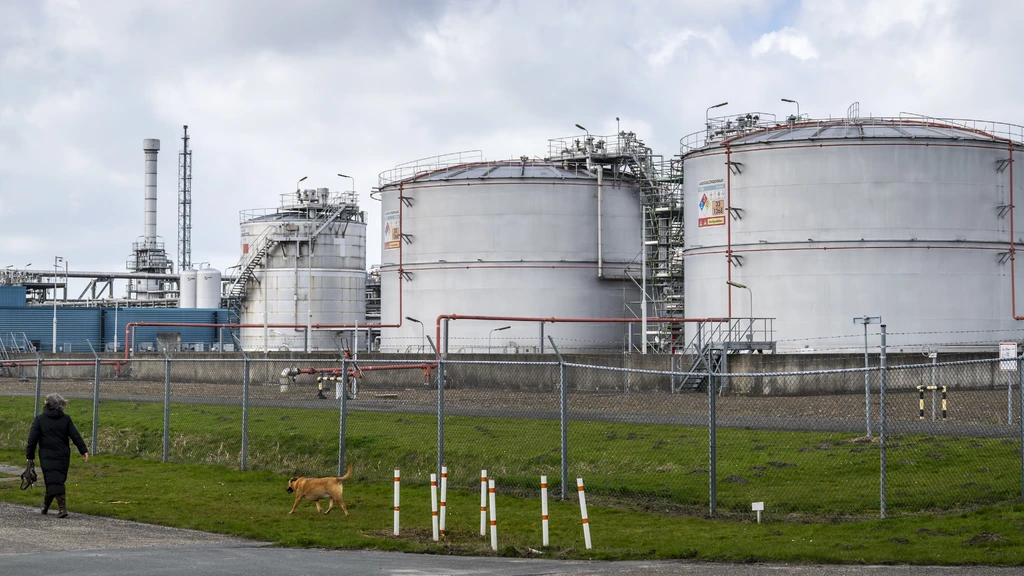
The Dutch cabinet is considering lowering the gas storage target from 80% to 65% to avoid the skyrocketing costs of filling the country’s caverns. For international residents, that move is meant to prevent a repeat of the eye-watering price spikes seen after Russia’s invasion of Ukraine — but it also raises questions about supply security and who ultimately foots the bill.
Why the target is being lowered
Minister of Climate and Green Growth Van Veldhoven told WNL op Zondag that the European Commission has asked member states to adjust filling targets downward. Filling to 80% would require buying expensive imported gas, partly because of geopolitical tensions such as Iran’s closure of the Strait of Hormuz, a key transit route for LNG tankers. “We want to avoid seeing those enormous price spikes that we had after Russian gas disappeared from our market,” she said NOS, 2026-09-06.
Storage levels are currently at 57.5%, well below the original target. The government already reduced the interim target from 74% to 64% in late September. Van Veldhoven insists the current stock is enough: “We fill a jerrycan, but we only need a liter bottle in the winter.” According to her, every home, hospital, and care home will keep running because the Netherlands also has new LNG import capacity built after the Ukraine war NOS.
Who is paying now — and who may pay later
At the moment, the state-funded operator Energie Beheer Nederland (EBN) covers the cost of filling the four gas storage facilities: Norg, Grijpskerk, Bergermeer and Alkmaar. But soaring gas prices mean EBN faces a €1 billion loss on this year’s storage. Under EU rules, the Dutch government cannot keep that stored gas for itself — it must export it to other member states or to the UK, which has limited storage of its own.
The cabinet now wants to shift the financial burden onto commercial companies like Essent, Eneco, and Vattenfall by making it mandatory for them to build up their own reserves, similar to an obligation already in place in Austria. Private firms currently have no incentive to stockpile because gas prices are forecast to fall after autumn, but the government argues that “seasonal storage is an essential element of security of supply” DutchNews, 2026-09-25.
What this means for you
If you live in the Netherlands on a residence permit, your gas bill is indirectly affected by these decisions. The price cap that protected households in 2023–2024 has been removed, but the government argues that lowering the storage target prevents a new spike. Van Veldhoven stressed that the Groningen gas field remains closed — a decision the cabinet is sticking to despite calls from some to reopen it NOS.
For practical purposes: your energy supplier will continue to buy gas on the wholesale market. If private companies are forced to store more, they may pass those costs on to consumers. Conversely, if the target is kept low, the risk of extreme price peaks drops. The government says the current 57.5% is enough to meet winter demand, but the actual buffer depends on how cold the winter gets and whether LNG imports remain available.
Still an open question
The EU still needs to approve the lower target. And it is not yet certain that private energy companies will accept a mandatory storage obligation without significant government subsidies. The Strait of Hormuz situation, if prolonged, could tighten global LNG supply further.
For now, the message from The Hague is clear: no one will freeze, but the cost of keeping the lights on is being recalculated — with the bill increasingly directed at the energy industry rather than the taxpayer.
This article was written using information from NOS and DutchNews.
Sources
- Kabinet denkt aan verlagen gasvoorraad, 'maar elke kachel blijft branden' September 6, 2026
- Kabinet past wetten aan om uitbreiding van stroomnet jaren te versnellen September 11, 2026
- Cabinet wants private companies to pay more towards gas storage September 25, 2026
Part of the dossier
Dutch Gas Storage Target Reduction →