Dutch government pushes EU-wide social media age limit of 15 — here's what it means for you
The Dutch cabinet backs an EU-wide social media minimum age of 15, submitting a joint proposal with Spain to the European Commission. The proposal calls for privacy-friendly age checks, additional safeguards against addictive algorithms, and opposes individual EU countries setting different limits. A key proposal is expected on 16 September 2026.
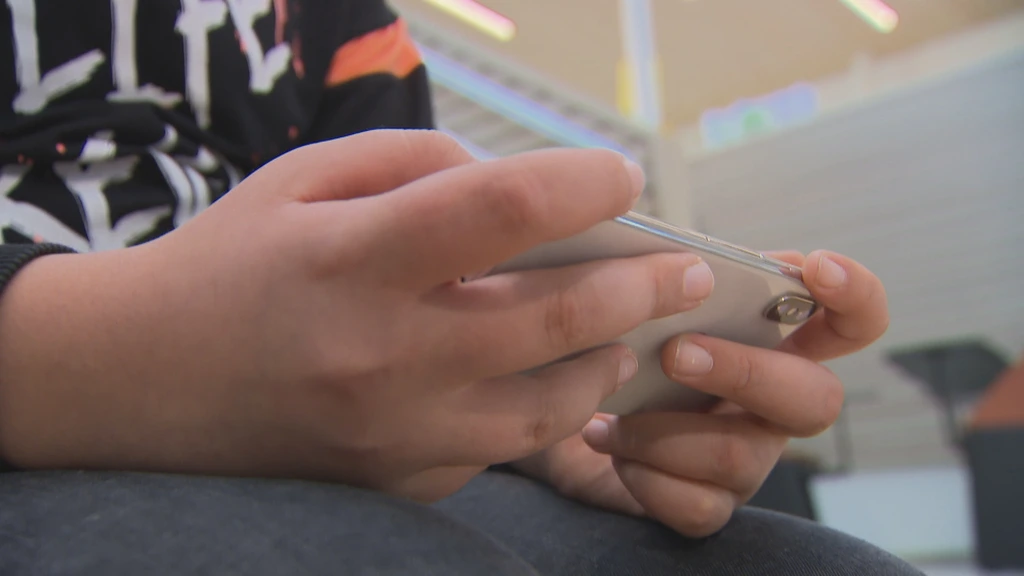
The Dutch cabinet has officially backed an EU-wide minimum age for social media, and wants that age set at 15. Together with Spain, the Netherlands submitted a joint proposal to the European Commission on Friday, ahead of the Commission's own expected announcement next week.
Junior digital economy minister Willemijn Aerdts (D66) confirmed the Dutch position in a statement: "In the physical world we do not accept that products are unsafe for children. The same standard must apply online" DutchNews.nl.
What is being proposed?
The Netherlands and Spain want a single, harmonised minimum age across the EU for accessing social media. The joint paper stresses that the age check must be "privacy-friendly" and not infringe on children's fundamental rights such as freedom of expression. The proposal also calls for additional measures beyond just an age limit, including protections against "addictive algorithms" and harmful content NL Times.
Aerdts told broadcaster NOS that the cabinet is particularly concerned about the impact on young people: "Children and young people themselves say that they sometimes see harmful content, videos that keep them awake at night, and that they spend longer on these platforms than they want to" NOS.
The Dutch proposal goes beyond just social media platforms. It would also apply to popular online video games and AI chatbots unless tech providers can prove their services are structurally safe for children NL Times.
Why 15? Why not 13?
The current coalition agreement between D66, VVD and CDA sets a minimum age of 15. The Dutch paper sent to Brussels does not specify a number, but Aerdts insisted to NOS that 15 remains the Dutch position DutchNews.nl.
However, the Commission itself has received recommendations from its own advisory committee, which called for a ban on independent social media use for children under 13. European Commission President Ursula von der Leyen has described those recommendations as "very convincing" NOS.
Von der Leyen is expected to outline her detailed proposal in her State of the Union speech to the European Parliament on 16 September 2026 DutchNews.nl.
Why one EU rule matters
Both the Netherlands and Spain oppose individual EU countries introducing different age limits, calling it a recipe for "deep confusion for parents, children, businesses, and regulators" NL Times. That chaos is already visible: France banned under-15s this month, Australia barred under-16s in December 2025, and the UK has announced a ban on under-16s from 2027 DutchNews.nl.
Under a harmonised EU regulation, platforms would have to prove their apps are structurally safe for children. Companies that do so could be exempted from the age restriction. The Dutch cabinet insists that any verification method must be privacy-friendly and not unnecessarily infringe on children's rights NOS.
What about privacy and enforcement?
This is the trickiest part. In April, Brussels launched an age-check app — but a security researcher bypassed it within hours, forcing the Commission to issue a patch DutchNews.nl. Privacy advocates worry about how age verification can work in practice without forcing children to hand over sensitive data.
The Dutch and Spanish proposal says the age check must be "future-proof" so that it doesn′t need constant adjustment NOS. The Dutch cabinet also wants platforms to bear the burden of proving their safety, rather than shifting it onto users.
What does this mean for you, if you live in the Netherlands?
If your children are under 15, the Dutch proposal would make it illegal for them to access social media, online gaming platforms with certain features, and AI chatbots — unless the platform can prove it's safe for under-15s. However, this is still at the proposal stage. The final age limit and timing will depend on the European Commission's proposal next week and subsequent negotiations.
As an international parent living in the Netherlands, you should:
- Keep an eye on von der Leyen's State of the Union speech on 16 September. That's where the Commission will reveal its specific age threshold.
- Understand that the final decision takes time — at least 2027 before any law is enforced.
- Watch what the European Parliament does: digital rights advocates and tech companies are likely to lobby heavily against a blanket ban.
For now, having a minimum age for social media across Europe — with privacy-friendly enforcement — is a Dutch political priority. Whether that age is 13 or 15, and whether it works in practice, remains the open question.
Sources
- Kabinet steunt Europese leeftijdsgrens sociale media September 11, 2026
- Cabinet backs EU-wide minimum age for social media September 11, 2026
- Dutch Cabinet announces backing for an EU-wide social media age limit September 11, 2026
Part of the dossier
Dutch Cabinet Supports EU Social Media Age Limit →