Dutch grid congestion update: 15,500 businesses waiting, but smarter solutions offer hope
Nearly 15,500 Dutch businesses wait for grid connections as of mid-2026 – growth slows but Utrecht gets a full stop. Experts say part of the €235 billion expansion plan could be avoided with smarter grid use, like Alliander's net-aware district in Arnhem. For expats: expect housing and business delays, and know that netbewust bouwen may become standard from 2028.
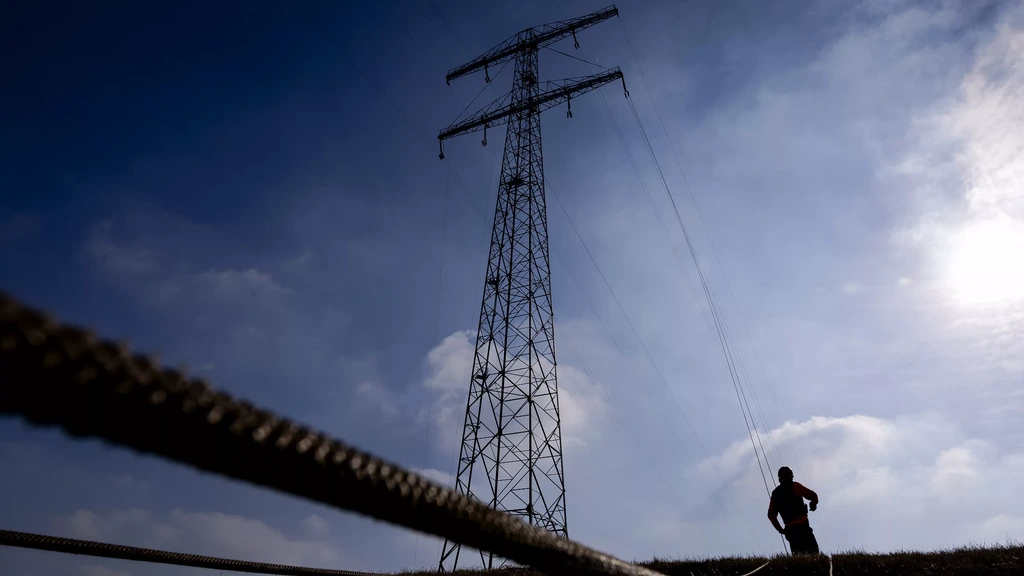
Grid congestion in the Netherlands is still holding back businesses and sustainability projects, but the pace of new waiting-list entries is slowing down – and a pilot neighbourhood in Arnhem shows that much smaller grid connections could become the norm from 2028.
What’s new?
As of mid-2026, nearly 15,500 companies and organisations are waiting for a new or upgraded electricity connection, according to the latest half-year figures from grid operators’ association Netbeheer Nederland. That is an increase of about 300 since the start of the year. The economic damage caused by congestion is estimated at €10 to €35 billion per year, as the Boston Consulting Group calculated in 2024.
There are some positive signals: nationally, the growth of the waiting list is flattening, and in a few regions the list is actually shrinking. But that is not the case in Utrecht province. Since 1 July, a full connection stop has been in force in parts of Utrecht, and the regions around Amersfoort and Food Valley were recently added. Grid operators hope to allow new connections again from 2028.
Why this matters for expats and internationals
If you are planning to build a home, start a business, or electrify a factory, you may face delays of years. Socially vital institutions like schools and hospitals get priority. Industrial companies are at the bottom of the list. This also affects the housing crisis: new housing projects are postponed or cancelled because they cannot get a grid connection.
€235 billion expansion – can it be done smarter?
Grid operators say they need €235 billion in the coming decades to expand the network. But experts argue that a large part of that sum is unnecessary if the Netherlands uses its existing grid more intelligently.
Professor Jan Rotmans, an energy transition expert, calls the current grid a “19th-century system” and points to successful pilots. One example is the net-aware district in Arnhem built by netbeheerder Alliander. A neighbourhood of 7,000 homes gets a connection that is three times smaller than usual – because consumption peaks are spread out over days, weeks, and months, and because charging of electric cars is centrally managed. Residents will hardly notice the difference, says Alliander director Maartje Brans. “The controls happen behind the scenes.”
Minister for Climate and Green Growth Boekholt-O'Sullivan wants this type of “grid-conscious” building to become the standard from 2028. Jan Rotmans is enthusiastic but notes that “it is still almost nowhere else in the Netherlands. That is actually unbelievable.” Read more about the expert criticism here.
Industry hit hardest: factories stuck in limbo
A new report from Cluster 6 – a partnership between regional energy-intensive companies and the ministry – shows that grid congestion is seriously hampering the sustainability plans of factories that produce glass, cardboard, and brick. These manufacturers want to replace gas-fired machinery with electric alternatives, but they are stuck on waiting lists. They face a tough choice: buy new gas equipment (delaying sustainability by decades) or risk not being able to produce at all. Barbara Verwayen of Cluster 6 told NOS that temporary on-site generation using solar, wind, or batteries is one option, but if that is not feasible, companies may be forced to use temporary gas or diesel generators. Read the Cluster 6 coverage from NL Times.
The bottom line
- The waiting list for a grid connection is still growing, but more slowly.
- Utrecht is the worst affected region, with a complete connection stop until 2028.
- A €235 billion grid expansion is planned, but experts say smarter use of the existing grid can save billions.
- Net-aware districts (like the one in Arnhem) show it is possible to build homes with much smaller connections.
- For internationals: expect delays if you are starting a new business or building a house. For sustainability: the electrification of heavy industry is stuck in a grid logjam.
If you need a grid connection, your first point of contact is your local netbeheerder (Stedin, Liander, Enexis, etc.). They can tell you the expected waiting time for your specific location. The government is working on a national plan to accelerate expansion and smart solutions.
Sources
Part of the dossier
Dutch Electricity Grid Congestion →