Dutch Safety Board gives minister six months to fix dangerous asylum shelters for children – minister says he can't promise
The Dutch Safety Board (OVV) has ordered Minister Van den Brink to fix unsafe conditions for 6,900 children in emergency asylum shelters within six months. The minister says he cannot guarantee the deadline because he depends on municipalities to provide adequate shelter. The report highlights constant noise, lack of privacy, and high risks of violence that violate international law.
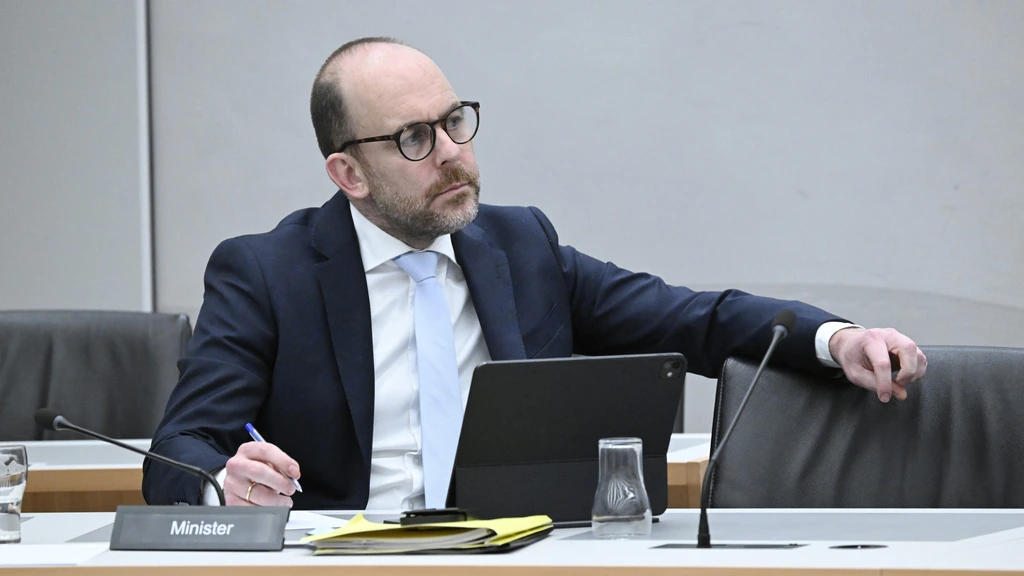
The Dutch Safety Board (OVV) has issued an urgent recommendation to Minister of Asylum and Migration Van den Brink to improve conditions for children in emergency asylum shelters within six months. But the minister says he cannot guarantee the deadline, because he depends on municipalities to provide adequate shelter.
"The Netherlands has fallen below the minimum standard of what is safe for children," OVV chair Chris van Dam said on Monday, presenting the two-year investigation report Children in Distress. The report found that some 6,900 children – out of roughly 17,000 asylum-seeking children in the country – are housed in emergency reception sites that violate international law. These include vacant offices, ships, event halls, and temporary container homes originally intended for short stays. But due to a structural shortage of regular asylum seeker centres (AZCs), children sometimes live in these places for years.
What emergency shelters are and why they are unsafe
Emergency shelters (noodopvang) are crisis measures used when the regular reception system is full. More than 60% of all reception sites are now emergency facilities. The OVV report describes constant noise, a total lack of privacy, and a high risk of physical and sexual violence. Children are moved from one location to another without stability, and basic needs like healthcare and education are often absent. The lights can only be turned off centrally, leaving no control over sleep schedules.
"Emergency shelter is not normal. It was initially intended for a short period, but by now, children sometimes live in emergency shelters for years," Van Dam said. The OVV concluded that the unsafe conditions are not the result of an unavoidable crisis, but of "administrative choices and the use of crisis measures to address structural problems."
Minister’s response: no guarantee, but a promise to map the worst sites
Minister Van den Brink said he will do everything possible to get all children into safe accommodation, but he cannot promise it will happen within six months. He is dependent on municipalities (gemeenten) to create enough proper shelter places. The minister did commit to following another urgent OVV recommendation: quickly identify the most dangerous locations and ensure those situations are resolved first.
Van den Brink welcomed the OVV’s decision to also directly write to all municipal councils. "The OVV is in effect telling councillors: cooperate, because you can make an important contribution to improving the safety of children," he said. That cooperation means supporting the Distribution Act (Spreidingswet), a law designed to spread asylum reception fairly across all municipalities. So far, the law has not produced enough additional capacity.
What this means for internationals in the Netherlands
As someone living in the Netherlands on a residence permit, this report may feel distant – it concerns asylum-seeking children, not expats. But the issue has broader implications. The Netherlands’ compliance with international children’s rights law affects its reputation as a rule-of-law country. The asylum system’s dysfunction also fuels political instability and delays in other immigration processes, because the same ministry handles both asylum and regular migration.
More practically, municipalities are key players. If you live in a Dutch town or city, your local council decides whether to open a shelter. The OVV’s direct appeal to councillors means that residents can contact their local representatives and ask what they are doing to help. The minister himself said the solution depends on municipal cooperation.
What happens next?
The OVV has given six months – until March 2027 – for the minister to implement improvements. The minister has not ruled out meeting the deadline, but he has not guaranteed it either. In the meantime, he will prioritise the most unsafe locations. Organisations working with children in asylum reception have already embraced the report’s conclusions and are urging swift action.
For now, the ball is in the court of the municipalities and the minister. The OVV’s report makes clear that the current situation is not acceptable under any standard – and that the responsibility lies with political choices, not an external crisis.
Sources: NL Times, DutchNews.nl, NOS
Sources
- Urgent help needed for children in emergency asylum shelters September 21, 2026
- Dutch Safety Board: Fix unsafe living conditions for children in emergency shelters September 21, 2026
- Minister: geen garantie snelle oplossing voor onveiligheid asielkinderen noodopvang September 21, 2026
Part of the dossier
Children's Safety in Asylum Shelters →