Dutch student housing crisis deepens as private landlords sell off rooms and internationals are left most exposed
New data shows small private landlords cut rental homes by 19% in university cities over three years, while domestic student mobility rises. International students, who can't access social housing, face the worst of the shrinking private market.
For international students arriving in the Netherlands this autumn, finding an affordable room has become harder than ever. Two new reports paint a stark picture: the number of students leaving home to study is rising again, but the cheap, shared rooms they once relied on are disappearing fast.
According to the national statistics office CBS, nearly 32,000 domestic students aged 17 to 22 moved to a university city in 2025 — the highest figure since the basic student grant was reinstated in 2023. Most stayed within their own region. Amsterdam and Groningen each took in over 5,000 newcomers. But those numbers only cover Dutch students. International students, who make up 17% of all university students in the Netherlands (and over 60% in Maastricht), are not counted in the CBS data — yet they face the worst of the housing squeeze.
That squeeze is driven by a rapid shift in who owns student housing. New figures from the land registry Kadaster, reported by NRC, show that small private landlords have cut the number of rental homes they offer in university cities by 19% over the past three years. These were the landlords who typically rented out rooms in shared houses — the most affordable option for students. Larger property companies have stepped in and built more studios, but that doesn't help. A studio costs more than a room, and the total number of rental homes has barely held steady.
For international students, the consequences are especially severe. Most do not qualify for social housing (sociale huur), which requires years on a waiting list. They depend entirely on the private rental market — exactly the segment that is shrinking. That leaves them more vulnerable to scams, overcharging and having to rent a room sight unseen from abroad. Student housing organisation Kences reported a national shortage of 21,500 rooms last year, and says more students are giving up and staying with their parents.
Housing minister Elanor Boekholt-O’Sullivan has asked local councils to be more flexible about permitting shared student houses, following a case where ten students in Groningen faced eviction because the municipality refused to treat them as one household. But the structural problem remains: the mix of rental housing is tilting away from what students can afford.
What this means if you’re coming to study
- Start your housing search early — the private market is tight and getting tighter. Kences releases its next student housing monitor on September 3.
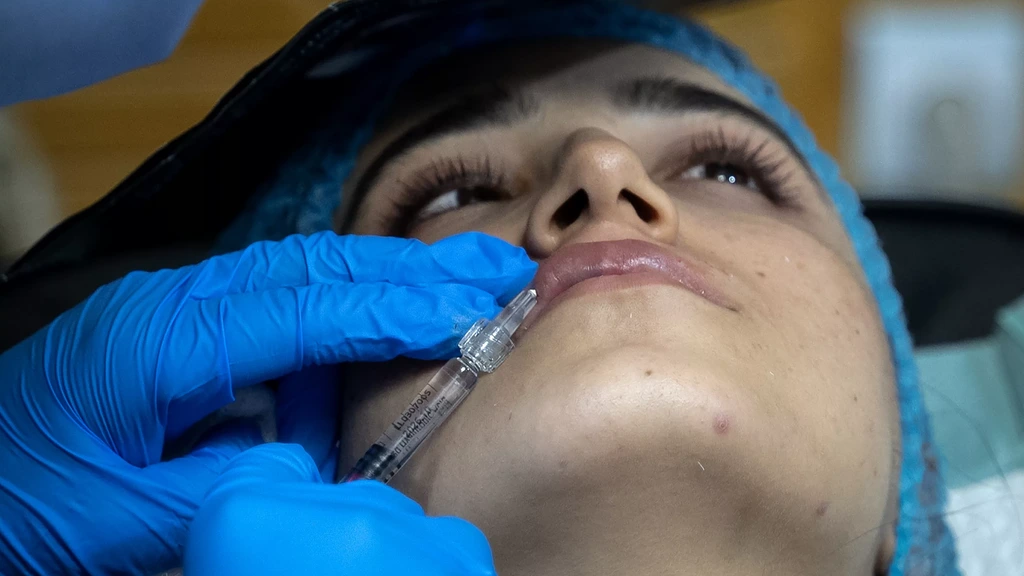
- Beware of cheap rooms from unregistered landlords — the same week, the health inspectorate warned students about risky botox and filler treatments offered at low prices during introduction weeks, but the principle applies to housing too: deals that seem too good often come with risks.
- Check if your university offers temporary accommodation — many have limited stock for first-year internationals, but demand far exceeds supply.
- Consider regional alternatives — cities like Enschede, Maastricht and Tilburg draw mostly from their own provinces, which can mean less competition if you expand your search.
The long-term trend is clear: fewer shared rooms, more expensive studios, and a growing gap between the number of students and the housing available for them. For internationals without access to social housing, the private market is the only option — and it is becoming more precarious by the year.
Sources
- Students who leave home rarely move far, CBS finds August 26, 2026
- Students lose shared rooms to studios as landlords sell August 27, 2026
- Inspectie waarschuwt voor botox en fillers tijdens introductieweken studenten August 27, 2026
Part of the dossier
Dutch Student Mobility →