EU Kids Act: What the New Social Media Rules Mean for Your Child in the Netherlands
The EU's proposed Kids Act would ban under-13s from social media and limit 13-15-year-olds to parent-controlled 'mini accounts'. In the Netherlands, half of children aged 10-15 see upsetting content online, and experts report rising AI-enabled bullying. Here's what it means for your family.
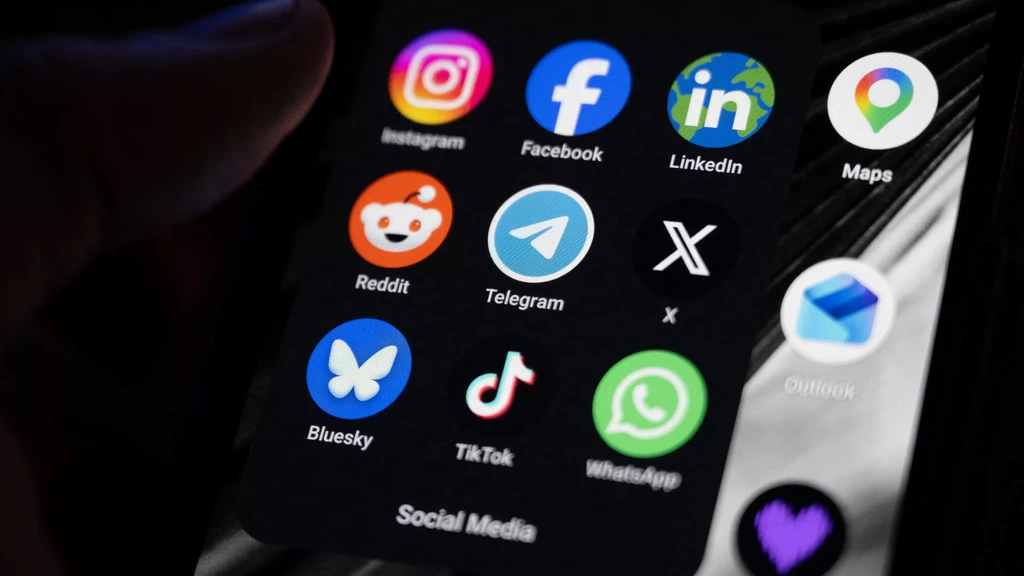
If you're raising a child in the Netherlands, you've likely worried about what they see on TikTok or Snapchat. You're not alone. Half of Dutch children aged 10 to 15 encounter upsetting content online, and many hide it from their parents out of shame or fear of punishment, according to a government survey. Now, the European Union is stepping in with a sweeping new law — the EU Kids Act — that could change how under-16s use social media across the bloc, including the Netherlands.
What the EU Kids Act proposes
On September 17, European Commission President Ursula von der Leyen formally unveiled the EU Kids Act. The plan would:
- Ban under-13s from social media platforms entirely.
- Allow 13-to-15-year-olds to access platforms for just one hour per day via "mini accounts" set up through a parent or guardian's account.
- Require platforms to prove they are "safe by design" before minors can use them.
Von der Leyen said the legislation would "put parents back in the driving seat" and give them "the tools to help their children navigate a safer world" (BBC News). The proposal is still being negotiated, but it signals a major shift in how Brussels views children's online safety.
Why now? The Dutch reality check
The EU move comes as new data paints a worrying picture in the Netherlands. A survey commissioned by the Ministry of Economic Affairs and Climate (EZK) found that half of children aged 10 to 15 see posts that frighten or upset them. Many don't tell their parents — out of shame or fear of an angry reaction, as DutchNews.nl reports.
Children named Snapchat and TikTok as the platforms where they most often encounter unpleasant content. The average age for a first smartphone in the Netherlands is now 10, according to the same survey.
Junior digital economy minister Willemijn Aerdts has launched a new phase of the government's "Blijf in Beeld" (Stay in the Picture) campaign, developed with children's helpline Kindertelefoon. The campaign encourages parents to talk openly with their kids about online experiences — including the fun stuff — so that children feel safer raising the scary parts too. "Be curious about what they see, including the nice and funny things," Aerdts told NOS. "Give also that you yourself sometimes see something that shocks you, so it really becomes an open conversation."
Aerdts acknowledged that platforms aren't doing enough: "The online world is really not yet a safe place for children. That's why we want to agree on a minimum age for social media use at European level" (NOS).
The bigger picture: Meta lawsuit and AI bullying
The EU's push comes amid growing global scrutiny of tech companies. In the US, 29 states sued Meta (parent of Facebook and Instagram) for design flaws allegedly leading to child addiction, cyberbullying, and exploitation. Meta settled for $18 billion in August, but parents like Erin Popolo, whose 17-year-old daughter died by suicide after online bullying, questioned whether the settlement would have saved her child (Al Jazeera).
Closer to home, Dutch expertise center Offlimits reported a sharp rise in online bullying reports — 955 between January and September 2026, up from 860 in all of 2025. A growing share (17.4%) involves AI-generated images used to humiliate classmates or teachers. "An image can be altered, someone can be made to appear to have done something they never actually did, and an entire group can then react within minutes," said Offlimits' Babette Keuning (NL Times).
What this means for you and your child
If the EU Kids Act becomes law, it will apply directly in the Netherlands. But enforcement remains a question mark — how will platforms verify ages? How will "mini accounts" work in practice? The Dutch government is choosing the European route rather than national legislation, as countries like France have done.
For now, the practical advice from experts and the ministry is the same: talk early and often. Start conversations before your child's social circle becomes their main influence. Use the "Blijf in Beeld" card (available via the ministry) to agree on phone rules together. And remember — 89.4% of children say they understand why rules matter, and half welcome them (DutchNews.nl).
As the EU Kids Act moves through the legislative process, we'll keep you updated on what changes — and what you need to do as a parent in the Netherlands.
Sources
- 25/8 in Nieuwsuur: Afvalprobleem door windturbines • Rusland zet autonome AI-drone in • Zorgelijke trend social media August 25, 2026
- Veel kinderen zien nare berichten op socials, 'ouders moeten meer in gesprek' August 25, 2026
- Many Dutch children hide upsetting online posts from parents August 25, 2026
- Parents who lost children to social media harms question Meta settlement August 27, 2026
- Steekpartij bij station Amsterdam Centraal werd gelivestreamd op sociale media August 30, 2026
- Wekdienst 17/9: Dag 2 Algemene Beschouwingen • EU presenteert jongerenregels sociale media September 17, 2026
- EU announces plan to restrict social media access for children September 17, 2026
- Online bullying rising again; Kids using AI to humiliate each other, teachers October 8, 2026
- Inspiratiecontent van extreemrechtse aanslagplegers staat nog steeds online October 5, 2026
Part of the dossier
Children's Online Safety & Social Media Regulation →