Far-right violence against asylum seekers escalates in Netherlands: What it means for expats and the rule of law
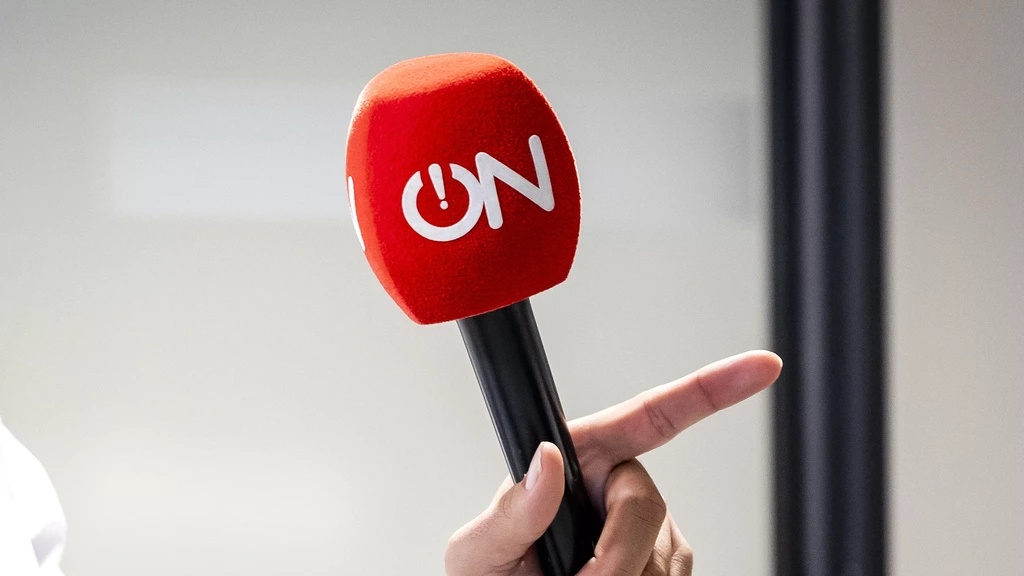
Over recent weeks, far-right groups have staged violent protests against asylum reception centers across the Netherlands, including arson attempts, siege of town halls, and a protest in The Hague featuring Hitler salutes. The government is exploring legal action against broadcaster ON for Nazi remarks. For internationals, the unrest underscores rising anti-immigrant tensions and potential disruptions to asylum processing.
In recent weeks, the Netherlands has seen a sharp escalation in far-right and anti-asylum protests, with incidents ranging from arson attempts at future reception centers to violent clashes with riot police. The latest – a demonstration in The Hague on Saturday where protesters gave Hitler salutes and chanted antisemitic slogans – has prompted Justice Minister David van Weel to vow a tough response. For internationals living in the Netherlands, the unrest raises questions about safety, the stability of the asylum system, and the health of Dutch democratic institutions.
A wave of coordinated violence
The pattern is clear: far-right groups are targeting locations associated with asylum reception, often with the aim of intimidating local politicians and blocking the opening of shelters. On 29 August, police confirmed an attempted arson at a site in Valkenswaard that had just been approved for a 40-bed centre for unaccompanied minors. Mayor Corine van Overdijk called the act “unacceptable” and stressed that “anyone who tries to reinforce their opinion with arson or vandalism crosses a line” (NL Times).
Just days earlier, the group Defend Den Bosch had confronted a group of Syrian teenagers at a fair in Den Bosch, claiming they were harassing girls. Police and the municipality condemned the vigilante action, saying Defend “created an unsafe situation” and that the teenagers had to be escorted away for their own safety (NL Times).
In Tholen (Zeeland), on 2 September, a protest against plans to house 150 asylum seekers turned into a siege: council members were trapped inside the town hall for hours until riot police with dogs dispersed the crowd (NL Times). A similar scenario played out in Opheusden (Gelderland) on 18 September, where protesters threw fireworks at police during a municipal meeting about taking in 132 asylum seekers. Over ten people were arrested (NL Times).
The Hague protest on 19 September, organised under the banner “Wij zijn het volk” (We are the people), drew about 500 demonstrators. According to Al Jazeera, police used batons and dogs after being pelted with projectiles and fireworks. Van Weel posted on X: “Hitler salutes, antisemitic slogans, violence against the police… It is important that hardline action is taken against this” (Al Jazeera).
The government’s response: ON under scrutiny
Alongside the street-level violence, the far-right broadcaster Ongehoord Nederland (ON) is facing possible expulsion from the public broadcasting system after its editor-in-chief, Joost Niemöller, praised aspects of Adolf Hitler during an online broadcast. Education Minister Letschert said the cabinet is examining legal options to remove ON, but cautioned that any decision must withstand judicial review. “I can’t just act tough – the court would immediately slap me back,” she said (NOS). ON has been sanctioned before for violating journalistic standards, and a majority in the Tweede Kamer (the lower house of parliament) appears to support its removal.
What does this mean for internationals?
For expats and internationals living in the Netherlands, the escalation has several practical implications.
1. Safety at asylum centres and in public spaces. The attempted arson in Valkenswaard and the vigilante actions in Den Bosch show that far-right groups are willing to use intimidation and violence. While police are intervening, the risk of copycat incidents remains. If you live near a planned asylum centre, you may see increased protests or police presence.
2. The asylum system under pressure. The Distribution Act (Spreidingswet) requires municipalities to provide reception spots for asylum seekers. These violent protests are delaying the process – councillors are being trapped, meetings disrupted, and sites vandalised. For internationals who are themselves waiting for a residence permit or who have family members in the asylum procedure, this could mean longer processing times and more uncertainty.
3. The broader political climate. The government’s willingness to tackle ON signals that it takes extremist rhetoric seriously, but the fact that such a broadcaster reached a public platform shows how far-right ideas have gained traction. For internationals, this may affect the general atmosphere of tolerance and the perceived stability of the Netherlands as a safe haven.
4. Your rights and responsibilities. If you witness a protest or feel unsafe, you can contact the police (112 in emergencies, 0900-8844 for non-emergencies). Municipalities are required to protect both asylum seekers and local residents. If you are a student or highly skilled migrant, the unrest does not directly affect your permit, but it is part of a broader debate on immigration that could influence future policy.
Looking ahead
The Dutch government faces a delicate balancing act: maintaining public order while respecting the right to protest. The incidents in Tholen, Opheusden, and The Hague show that the line between peaceful demonstration and violent intimidation is being crossed. Justice Minister Van Weel has promised “hardline action,” and the police have shown they are willing to intervene. But the underlying anger against asylum reception is unlikely to disappear overnight.
For internationals, the key takeaway is that the Netherlands is not immune to the far-right populism seen elsewhere in Europe. The rule of law is being tested, and the outcome will shape the country’s reputation as a tolerant and orderly society. Stay informed, report suspicious activity, and remember that your residency rights are protected by law – even if some groups would like to see that change.
Sources
- Dutch riot police break up violent far-right protest in The Hague September 19, 2026
- Police, city condemn far-right group's interfering with Syrian teens at Den Bosch fair August 28, 2026
- Kabinet onderzoekt mogelijkheid ON te weren uit bestel om Hitler-rel August 28, 2026
- Police confirm attempted arson at future Valkenswaard asylum center for 40 minors August 29, 2026
- Anti-asylum protesters keep councillors trapped in Tholen town hall September 2, 2026
- Anti-asylum protesters pelt cops with fireworks in Gelderland town; Over 10 arrested September 18, 2026
Part of the dossier
Dutch Far-Right Extremism & Anti-Asylum Groups →