Feyenoord bans 47 fans after fireworks attack that left Cambuur supporters with permanent hearing loss
Feyenoord has banned 47 supporters after a fireworks attack on SC Cambuur fans left seven injured, some with permanent hearing loss. The self-imposed away fan ban for two matches is now followed by individual stadium bans, though no criminal arrests have been made. For expats, it highlights the Dutch system of collective and individual sanctions for football misconduct.
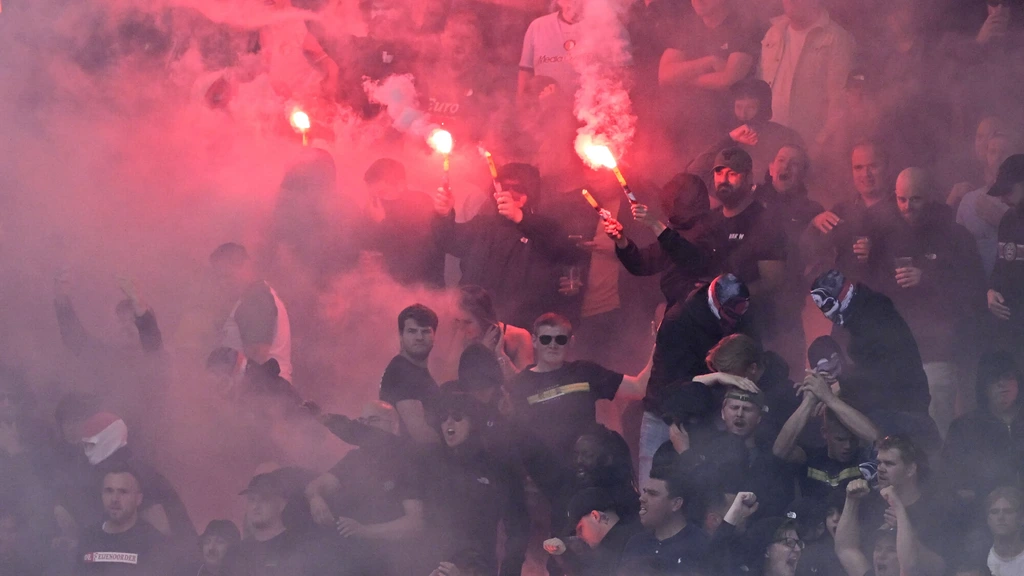
Feyenoord has issued local stadium bans to 47 supporters for their role in the fireworks attack on SC Cambuur fans during an Eredivisie match on August 23, the club announced on Friday. The bans come three weeks after seven Cambuur supporters were injured when heavy fireworks were fired from the away section into the home stands at the De Kooi stadium in Leeuwarden.
The 47 individuals will also have their away-match cards blocked and have been reported to the Dutch Football Association (KNVB) for a nationwide stadium ban, Feyenoord said in a statement. The club added that criminal proceedings "cannot be ruled out" (NL Times).
The match was paused for 20 minutes in the 12th minute after a barrage of fireworks—including heavy rockets and bangers—was set off by Feyenoord supporters. Seven home fans suffered burns, eye injuries, and hearing damage. Cambuur director Jesse Bergsma later revealed that one victim, a 41-year-old man, now has the hearing of a 70-year-old (NL Times).
The club’s investigation used video footage to identify not only the people who lit the fireworks, but also those who coordinated the attack or held up large banners to shield the perpetrators from cameras. “Feyenoord has taken a big step with this and I appreciate it immensely,” Rotterdam Mayor Carola Schouten said, calling the bans a “step forward” (DutchNews.nl).
Self-imposed away fan ban
Before the 47 individual bans were issued, Feyenoord had already taken the unusual step of banning its own away fans from the subsequent matches against NEC Nijmegen (September 5) and PEC Zwolle (September 13). The club said the self-imposed ban was a “stern disciplinary response” to the gravity of the incident (NL Times). Fans who had bought tickets received full refunds.
That move came after Nijmegen Mayor Hubert Bruls threatened to bar Feyenoord supporters from the Goffertstadion if no arrests were made. “If it is not clear by early next week whether perpetrators will be apprehended, then Feyenoord fans will just have to sit at home in front of the TV,” Bruls said on the talk show Goedenavond Nederland (NL Times). He argued that allowing the same people to attend another match without consequences would send the wrong message to children.
No criminal arrests yet
Despite the club’s swift action, no criminal arrests have been reported as of September 11. The police investigation is ongoing, and the Public Prosecution Service (OM) has not yet announced any charges. The KNVB will decide on any nationwide stadium bans based on information from the OM, and Feyenoord has no direct influence over that process, the club said (DutchNews.nl).
What this means for internationals
For expats and internationals living in the Netherlands, this case offers a striking example of how Dutch football authorities and municipalities cooperate to enforce safety—often through collective measures that can feel heavy-handed. The Dutch system relies on a combination of club self-regulation (like Feyenoord’s self-ban) and local government intervention (like mayor Bruls’ threat).
If you attend Eredivisie matches, be aware that the KNVB maintains a nationwide stadium ban database. A ban issued by one club can trigger a national ban, preventing you from entering any stadium in the country. The bans can also affect your ability to travel to away matches, as away cards are blocked.
Moreover, the incident comes against a backdrop of stricter fireworks regulation in the Netherlands. Consumer fireworks are banned nationwide for the upcoming New Year’s Eve—only sparklers and other low-powered decorative items are allowed. Police have already seized nearly 29,000 kilograms of illegal fireworks by mid-July this year (NL Times). The football case shows that the authorities are serious about enforcing these rules, even in stadiums.
Broader fallout
The fireworks attack has also sparked a wider debate about stadium security. Justice Minister David van Weel described the pyrotechnics as “half a war arsenal” and summoned the KNVB, police, and major municipalities for a safety summit on September 9 (NL Times). Meanwhile, a separate video emerged this week showing Feyenoord supporters making monkey gestures at black FC Barcelona fans during a Champions League match—a reminder that fan misconduct extends beyond fireworks.
For now, the 47 banned supporters are the most tangible outcome of the Cambuur incident. Whether criminal charges follow—and whether the KNVB imposes national bans—remains to be seen.
Sources
- Feyenoord fans will be banned from NEC match if fireworks throwers aren't arrested August 26, 2026
- Feyenoord fans face ban from Nijmegen for setting off fireworks August 26, 2026
- NEC out of Champions League after early red card kills hopes August 26, 2026
- Feyenoord bans own away fans for NEC and PEC Zwolle matches after fireworks incident August 26, 2026
- Feyenoord heeft tientallen mensen in beeld voor stadionverbod na vuurwerkincident August 28, 2026
- SC Cambuur fans left with permanent hearing damage from Feyenoord fans' fireworks August 31, 2026
- Almost 360 kilograms of fireworks handed in ahead of New Year's Eve ban September 4, 2026
- Feyenoord bans 47 supporters over fireworks attack; Racist gesture video emerges September 11, 2026
- Feyenoord bans 47 fans over Cambuur fireworks barrage September 11, 2026
Part of the dossier
Dutch Football Fan Ban & Fireworks Incident →