Fireworks in Dutch football stadiums: Audit Team calls current approach a 'paper reality' after Cambuur-Feyenoord injuries
An independent audit finds that the Netherlands' 2018 action plan against fireworks in stadiums is a 'paper reality.' After seven fans were injured at SC Cambuur vs. Feyenoord, the report calls for better technology, access control, and accountability. For international attendees, fireworks risks remain real.
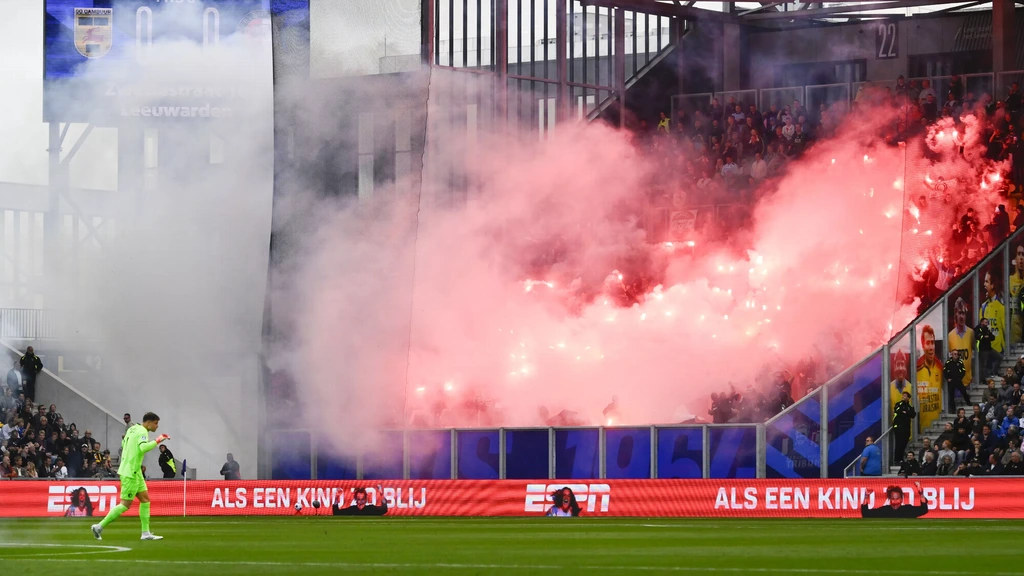
A day after fireworks thrown by away fans injured seven supporters during a match between SC Cambuur and Feyenoord, an independent advisory body has released a damning report concluding that the Netherlands' approach to stopping fireworks in football stadiums is largely ineffective.
The Football and Safety Audit Team (Auditteam Voetbal en Veiligheid), which advises the government and the Royal Dutch Football Association (KNVB), described the 2018 action plan as a "paper reality" that has not been properly implemented Source: NOS. Without better execution, the report warns, it is "an illusion" that fireworks will disappear from stadiums.
For internationals attending Eredivisie matches, the findings mean that the risk of fireworks-related disruptions—and potential injury—remains real, despite years of policy promises.
What went wrong in 2018?
Eight years ago, clubs, the KNVB, local authorities, and the police agreed on a package of measures, including better frisking by stewards and stricter access control. But according to the Audit Team, "good intentions proved insufficient and parties did not hold each other accountable enough" Source: NL Times. The hoped-for "cultural shift" among supporters never materialised.
The team's report, which was completed in July but postponed due to the summer recess, was released on Monday in the wake of the Cambuur-Feyenoord incident in which seven Cambuur supporters suffered burns, hearing damage, and eye injuries.
Technology and tougher checks
To close the gap between policy and practice, the Audit Team recommends technological innovations: scanning gates, handheld scanners, and smart cameras to detect fireworks before they enter the stadium. Better control of staff, suppliers, and stadium areas is also crucial Source: NL Times.
This is necessary because hooligans are becoming increasingly creative in smuggling fireworks. They use multiple layers of clothing, hide pyrotechnics inside drums and megaphones, and—the report notes with concern—there is a suspicion that fireworks are sometimes brought into the stadium a day early by people who work for the club Source: NOS.
The 'no pyro no party' culture
The report acknowledges that completely eliminating fireworks from stadiums is nearly impossible. In the hooligan world, a "no pyro no party" culture prevails, with supporters competing to outdo each other with pyrotechnic displays. The trade and smuggling of fireworks have become more professional, with structured divisions of labour determining who is responsible for purchasing, transport, and execution Source: NOS.
Another persistent problem is anonymity. Perpetrators use face-covering clothing—including balaclavas—and large cloths to frustrate identification Source: NL Times.
Broader behavioural issues
The report also found that many supporters who set off fireworks also misbehave in other ways, both at football matches and outside them. This suggests that tackling fireworks alone may not be enough; addressing the broader behaviour of this group is necessary Source: NL Times.
What happens next?
The audit team, which includes current and former administrators from municipalities, the police, and football clubs, is urging clubs and the KNVB to act. For international fans who attend matches—whether in the family section or elsewhere—the practical takeaway is that, for now, fireworks remain a regular feature of Dutch football, despite official plans to stop them.
The question now is whether clubs will invest in the recommended technology and whether the KNVB will enforce accountability. The alternative, as the report makes clear, is more incidents like the one in Leeuwarden that left seven fans injured.
(Note: On 26 August, an unrelated fireworks factory explosion in Tultepec, Mexico, was reported with no injuries. This incident is not connected to the Dutch stadium fireworks issue.)
Sources
- Rapport: aanpak van vuurwerk in voetbalstadions schiet tekort August 24, 2026
- Better access control needed against fireworks in football stadiums August 25, 2026
- Fireworks factory goes up in smoke in Mexico August 26, 2026
Part of the dossier
Fireworks in Dutch Football Stadiums →