Half of Dutch children 10–15 see harmful content online, many hide it from parents: new campaign urges open talks
Half of Dutch children aged 10–15 see upsetting content online but hide it from parents, a government survey finds. Minister Aerdts launches a new campaign urging open, non-judgmental talks and pushes for EU-wide social media age limits.
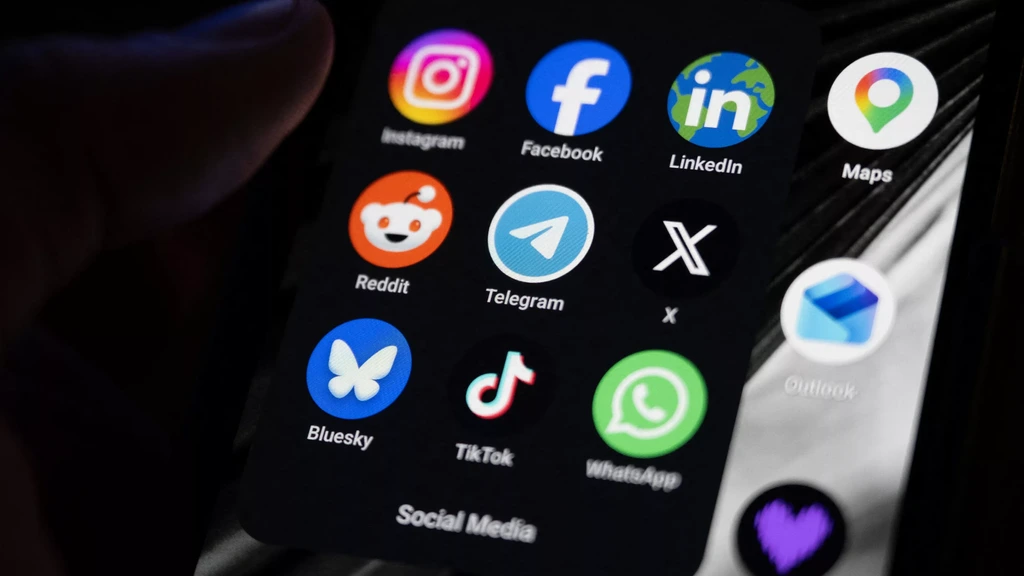
A government-commissioned survey has found that half of children aged 10 to 15 in the Netherlands encounter upsetting or frightening content on social media, yet many do not tell their parents out of shame or fear of being reprimanded. In response, junior digital economy minister Willemijn Aerdts has launched a new phase of the national 'Blijf in Beeld' (Stay in the Picture) campaign, urging parents to start open, non-judgmental conversations early.
What the survey found
The survey, conducted by the Ministry of Economic Affairs and Climate Policy (EZK), shows that Dutch children get their first smartphone at an average age of 10. Snapchat and TikTok are most frequently named as platforms where they see unpleasant material. The ministry reports that 89.4% of children understand why phone-use rules matter, and half say they welcome them — but many still keep their negative experiences to themselves.
“Children often don’t talk about what frightens or upsets them because they’re ashamed or afraid they’ll get a telling-off,” Aerdts told NOS. “That has to change.”
The campaign: tips from the Kindertelefoon
The new phase of 'Blijf in Beeld' provides practical advice for parents, developed in part with the Kindertelefoon, a helpline for children. Key tips include:
- Be curious about what children see online — including the fun and funny things — so they feel safe raising the scary stuff.
- Don’t judge children for what they do online.
- Share your own experiences: “Admit that you sometimes see something that shocks you too,” Aerdts said, “so it becomes a real open conversation.”
- Set phone-use rules together, using a printed card the campaign provides for families to fill in.
Aerdts stressed starting these talks before the influence of friends grows: “Be curious about what they see, including the nice and funny things,” she told DutchNews.nl. “That makes it easier for children to also bring up the frightening or harmful side of social media.”
What this means for international families in the Netherlands
For expat and international parents, the message is the same: the campaign materials are in Dutch, but the advice is universal. If your child uses Snapchat or TikTok — and many do from age 10 — the government recommends you talk openly about their online world, without judgment. The Kindertelefoon (0800-0432) is available for children who need someone to talk to, and parents can call the Opvoedinformatie lijn (088-123 34 00) for parenting advice in Dutch.
Platforms under pressure, EU route chosen
Aerdts said social media companies are not doing enough to protect children. “The online world is really not yet a safe place for children,” she told NOS. “We are continuously calling on platforms to remove harmful content. It’s not going well.”
Rather than introducing national legislation like France, Spain, or Greece, the Dutch government is pushing for a Europe-wide minimum age for social media use, to be enforced under the EU Digital Services Act (DSA). This means any new rules will take time, as they must be negotiated among all member states.
The bigger picture
The survey results come amid broader concerns about children’s online safety. The new TikTok Shop, which launched in the Netherlands this year, has been criticised as a “toxic cocktail for impulse purchases.” Meanwhile, the Kindertelefoon reports that children increasingly contact them about online bullying, sexual content, and hate speech.
Aerdts acknowledged that the campaign alone won’t solve the problem: “We need both good parenting and strong regulation. The two go hand in hand.”
Practical takeaway for parents
- Start talking about online experiences before your child turns 10.
- Use the 'Blijf in Beeld' tips: be curious, don’t judge, share your own stories.
- Set phone rules together — children are more likely to follow rules they helped create.
- If your child won’t talk to you, remind them they can always call the Kindertelefoon anonymously.
Sources: NOS, DutchNews.nl
Sources
- 25/8 in Nieuwsuur: Afvalprobleem door windturbines • Rusland zet autonome AI-drone in • Zorgelijke trend social media August 25, 2026
- Veel kinderen zien nare berichten op socials, 'ouders moeten meer in gesprek' August 25, 2026
- Many Dutch children hide upsetting online posts from parents August 25, 2026
Part of the dossier
Children's Online Safety & Social Media Regulation →