Overasselt Shooting: Dutch Mayor Closes Home for a Year, But Permanent Action Legally Impossible
A security guard was killed and two police officers injured in a targeted shooting at a home linked to alleged drug trafficker Jan G. Jr. in Overasselt. An examining magistrate remanded 32 suspects into custody, while the mayor closed the property for a year—the fourth such closure—but confirmed permanent closure is legally impossible under Dutch law.
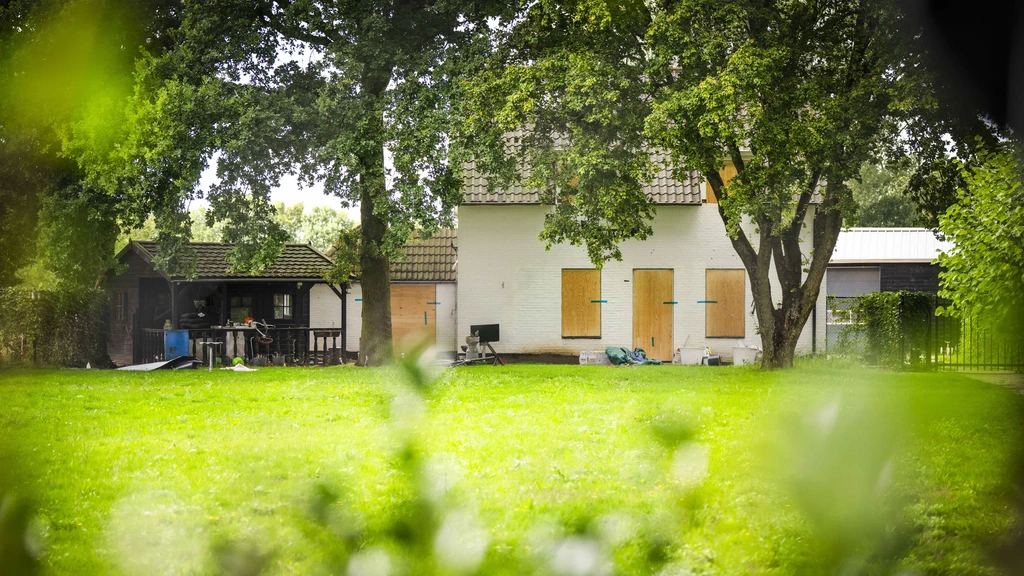
The fatal shooting of a security guard in the sleepy village of Overasselt (Gelderland) has laid bare the limits of Dutch local authority powers when dealing with properties linked to organized crime. For internationals living in the Netherlands, the case offers a stark look at how Dutch law handles drug-related violence—and why even a determined mayor cannot permanently shut down a known trouble spot.
What happened?
On Tuesday, September 1, 2026, around 4 a.m., a large group of heavily armed men attacked a home on Ewijkseweg in Overasselt. The target: a farmhouse associated with Jan G. Jr., a 28-year-old alleged drug trafficker who has been arrested multiple times. Shots were fired, killing 51-year-old security guard Berry Leenders and injuring two police officers who responded to the scene. The officers were rescued by colleagues and are now out of danger (NL Times, Sept 4).
Police launched a massive manhunt, arresting 35 suspects. By Friday, an examining magistrate ordered 32 of them to remain in custody. The group includes 16 French, 11 Dutch, 2 Algerian, 1 Libyan, 1 Ukrainian, and 1 Belgian – all adults except two French boys aged 16 and 17. All face the same collective charges: murder/manslaughter of Leenders, attempted murder of the police, conspiracy, preparation of a kidnapping, and firearms possession. The Public Prosecution Service (OM) has not yet distinguished between actual shooters and those who did not fire (NL Times, Sept 4).
The mayor’s limited toolbox
On Thursday, September 3, Mayor Joeri Minses of Heumen (the municipality that includes Overasselt) announced an emergency closure of the property for one year. He also issued a two-week ban from the municipality for one resident. This is the fourth time the home has been closed: earlier closures in 2020 (after a drug-lab fire), 2024 (after armed men were caught outside), and 2025 (after 25 bullets were shot at the house) failed to prevent the latest attack (NL Times, Sept 3).
During a press conference, Minses acknowledged residents’ frustration. “I can imagine people want a structural solution, but that is legally impossible,” he said (NOS, Sept 3). Under Dutch law, a mayor can close a property temporarily to restore public order (Article 174a of the Gemeentewet), but permanent closure is not permitted. Minses called the situation “unsatisfactory” and said he “would have liked to do more.”
The mayor also revealed that safety measures have been taken at his own home—reporters spotted new police cameras outside his residence. When asked, Minses replied, “I cannot deny what you see” (NOS, Sept 3).
What does this mean for expats and internationals?
While the violence itself is limited to a specific criminal network, the case illustrates key aspects of Dutch governance:
- The legal limits on local authority: Even when a home is a known base for drug crime, Dutch mayors can only act within the Gemeentewet. Permanent closure would require new national legislation, which is not on the agenda.
- The role of the OM: The prosecution service is treating all suspects equally under collective charges, a common approach in large-scale organized crime cases. This means the investigation may take months, and trials could be lengthy.
- Practical impact: If you live near a property that has been closed by the mayor, you can report suspicious behavior to the gemeente or police. The closure itself does not affect your residence permit or personal security—but being aware of local crime hotspots is always wise.
What’s next?
Police are still analyzing evidence from the scene. The 32 suspects will remain in pre-trial detention as the investigation continues. The OM has not ruled out additional arrests. Meanwhile, residents of Overasselt have demanded more transparency and action. Mayor Minses, who spoke to them by phone but only now met some face-to-face, acknowledged that “this burgemeester should have seen them earlier” (NOS).
For now, the empty farmhouse on Ewijkseweg stands as a monument to a system that can impose order, but cannot permanently remove a threat—a reality internationals in the Netherlands should understand as they navigate their new home.
Sources
- Burgemeester kan niet permanent ingrijpen in Overasselt en heeft camera's bij zijn huis September 3, 2026
- Mayor closes Overasselt home hit in apparent gang shooting; Guard killed, two cops shot September 3, 2026
- Fatal Overasselt shootout: 32 suspects remanded into custody, incl. 16 French, 11 Dutch September 4, 2026
Part of the dossier
Overasselt Shooting and Legal Closure →