Dutch Parliament Demands Debate After Minister Accused of Misleading on Unprocessed Crime Reports
The Dutch parliament demands a debate after the Court of Audit says Minister Van Weel misled MPs about thousands of unprocessed serious crime reports. He has apologised but faces scrutiny over trust in the justice system.
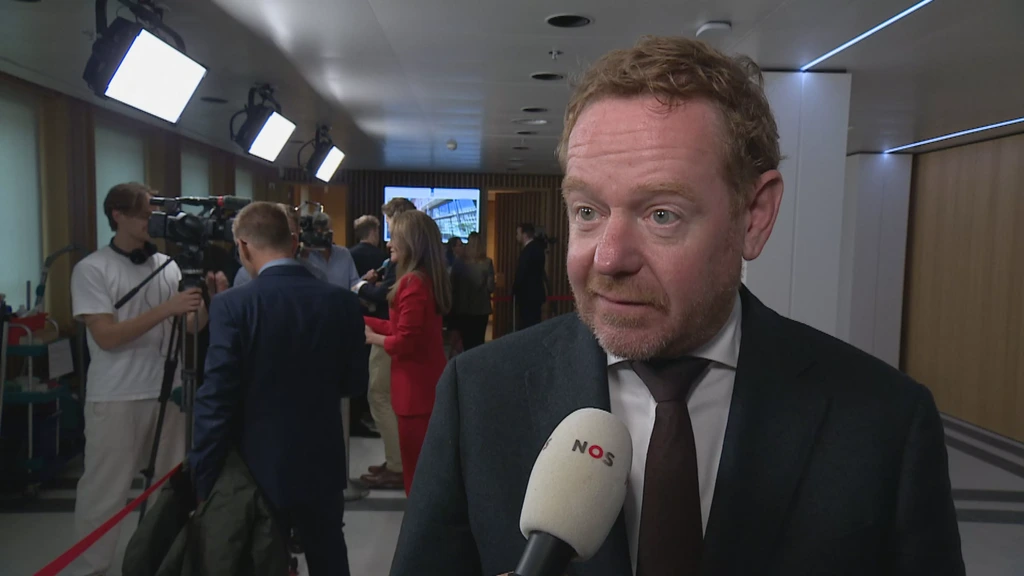
The Dutch Tweede Kamer (lower house of parliament) is demanding an urgent debate with Minister of Justice and Security David van Weel (VVD) after the Netherlands Court of Audit (Rekenkamer) accused him of providing incorrect information about how the police handle serious crime reports. The controversy directly affects anyone living in the Netherlands: if thousands of serious reports — including violent crimes, drug production, and identity fraud — are not investigated, it undermines trust in the justice system and leaves victims without recourse.
The Rekenkamer reported in June 2026 that thousands of reports of serious crimes filed in 2024 were never acted upon by police. The report highlighted that the police are overwhelmed but also lack clear oversight of which cases are handled. In response, Minister Van Weel told parliament that the figures included “reports without leads,” creating what the Rekenkamer now calls a “distorted picture” that misled the Kamer.
On 22 September, the Rekenkamer released a follow-up statement explicitly saying Van Weel’s remarks “put the Kamer on the wrong track.” Multiple parties — including JA21, D66, SP, BBB, CDA, and Groep Markuszower — called the situation “serious” and backed a debate request from JA21.
JA21 Kamerlid Coenradie said the minister must explain “where he based his statements on and why they deviate so strongly from the Rekenkamer.” SP Kamerlid Dobbe added, “We cannot build on information that is not correct.” Pro Kamerlid Mutluer stressed the direct impact on victims: “This is very serious, it affects victims directly.” CDA Kamerlid Straatman said it is unacceptable that crime is not prosecuted and that attempts to downplay it with incorrect information are grave.
On 24 September, Van Weel apologised, acknowledging he had “given the impression of trivialising the crime report figures.” However, the apology did not satisfy all parties. D66 Kamerlid Mathlouti argued that concerns about crime and victims should not be minimised with “information that is not correct.”
The coming debate will determine whether Van Weel can provide a credible explanation. Several parties have indicated that consequences — such as a formal censure or policy changes on how the police prioritise reports — depend on his answers. For international residents, this is a reminder that the justice system is under strain and that reporting a crime may not always lead to action. It also highlights the importance of the Rekenkamer as an independent watchdog that holds ministers accountable — a key feature of Dutch governance that may be unfamiliar to newcomers.
As the situation develops, expats should note that while the police remain professional, the system has structural gaps. If you report a serious crime and hear nothing back, you can follow up via the police website or contact the National Ombudsman. The parliamentary debate will be livestreamed on the Tweede Kamer website, and the outcome could lead to reforms that improve how reports are processed.
Sources:
Sources
- Kamer wil debat en opheldering Van Weel over onjuiste informatie aangiftes September 22, 2026
- Van Weel oneens met kritiek Rekenkamer over informeren, Kamer wil debat September 22, 2026
- Minister trekt boetekleed aan: 'Indruk gewekt dat ik aangiftecijfers bagatelliseer' September 24, 2026
Part of the dossier
Parliamentary Debate on Police Crime Report Handling →