Death During Police Arrest in Rotterdam: What We Know and What It Means
A 51-year-old man died after being pressed to the ground during a Rotterdam police arrest on September 12. The Rijksrecherche is investigating. A separate warning shot incident on September 28 has renewed scrutiny of police use of force. For internationals, understanding your rights and the role of the Rijksrecherche is crucial.
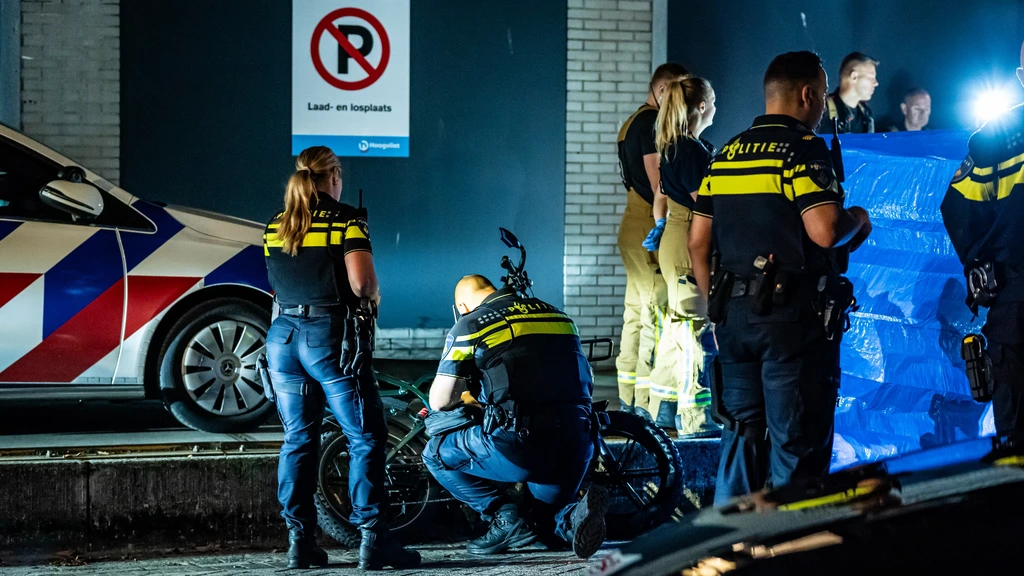
A 51-year-old man died in Rotterdam-Zuid on the evening of September 12 after being pressed to the ground by police officers during an arrest. Video footage circulating on social media shows the man, identified by local media as Alfredo Goeloe, shouting “Help me” before going silent. The Rijksrecherche — the Dutch national investigation unit that handles serious incidents involving police — is investigating. For expats and internationals, the case raises questions about police accountability, the use of force, and how the Dutch legal system handles such incidents.
What happened?
Police stopped Goeloe on the Vaarnerkamp after receiving a report of a stolen fatbike. According to the police statement on X (formerly Twitter), the man was stopped because he could not produce identification. Witnesses told regional broadcaster Rijnmond that a chase preceded the arrest, and that Goeloe fell to the ground. Video shows two officers pressing him down. A third officer grabs his leg. Goeloe appears to struggle and calls for help. He later became unwell, and officers attempted CPR, but he died at the scene.
The Openbaar Ministerie (OM, the Dutch Public Prosecution Service) confirmed the man’s age and that he was from Rotterdam. An OM spokesperson stated that the video is being included in the Rijksrecherche investigation, which is standard procedure whenever a person dies during a police action.
Public reaction and the police response
Residents in Rotterdam-Zuid expressed anger. One bystander told Rijnmond: “The police say he became unwell, but they made him unwell.” Another said: “Even if he had committed a crime, he didn’t have to die.” Source 1: NOS
Initial police statements on the night of the incident said that Goeloe “became unwell” during the arrest. The next day, police declined to comment further due to the ongoing investigation. On September 18 — six days after the death — the district police chief issued a public apology to Goeloe’s family. Source 3: NL Times
A separate incident: warning shot fired
On the night of September 27-28, Rotterdam police fired a warning shot during the arrest of a man suspected of making threats. The arrest, made under the BTGP (Approach Technique for Dangerous Persons) protocol — used when officers believe a suspect may be armed — took place on the Beukelsweg. A second man was also arrested. The NL Times report mentions that this is “far from the first time” Rotterdam police have used force, and directly references the Goeloe death as context. Source 3
What does this mean for you as an international?
The Rijksrecherche investigation is independent from the police force and overseen by the OM. Its findings can lead to criminal charges against officers or recommendations for policy changes. For expats, the key lesson is that Dutch police have a legal obligation to intervene if a colleague uses excessive force — but this is not always enforced. The Rijksrecherche is the body to watch; its reports are made public after investigations conclude.
If you ever find yourself interacting with police in the Netherlands, remember that you have the right to remain silent and to request a lawyer. Always carry valid identification (ID or passport) — police can stop you if you cannot identify yourself, and that was one of the triggers in this case.
What’s next?
The Rijksrecherche investigation will determine the cause of death and whether the officers involved acted within the law. The family has received an apology, but no details on compensation or charges have emerged. The outcome could affect community trust in the police, especially in neighborhoods like Rotterdam-Zuid where many internationals also live.
We will update this article as more information becomes available.
Sources
- Overleden man Rotterdam werd door politie tegen de grond gewerkt September 13, 2026
- Video: Two women badly hurt after Rotterdam tram slams into them September 18, 2026
- Police officers in Rotterdam fires warning shot before arresting 2 September 28, 2026
Part of the dossier
Police Arrest Death in Rotterdam →