Powerbank Fire Aboard KLM Flight Reignites Safety Debate: What Expats Need to Know
A powerbank fire forced a KLM flight back to Schiphol on Thursday; the device belonged to former CEO Camiel Eurlings, who broke airline rules by charging it. Incidents occur multiple times a month, and regulators are under pressure to tighten rules. For expats flying from the Netherlands, the key takeaway is strict compliance with powerbank storage and charging bans.
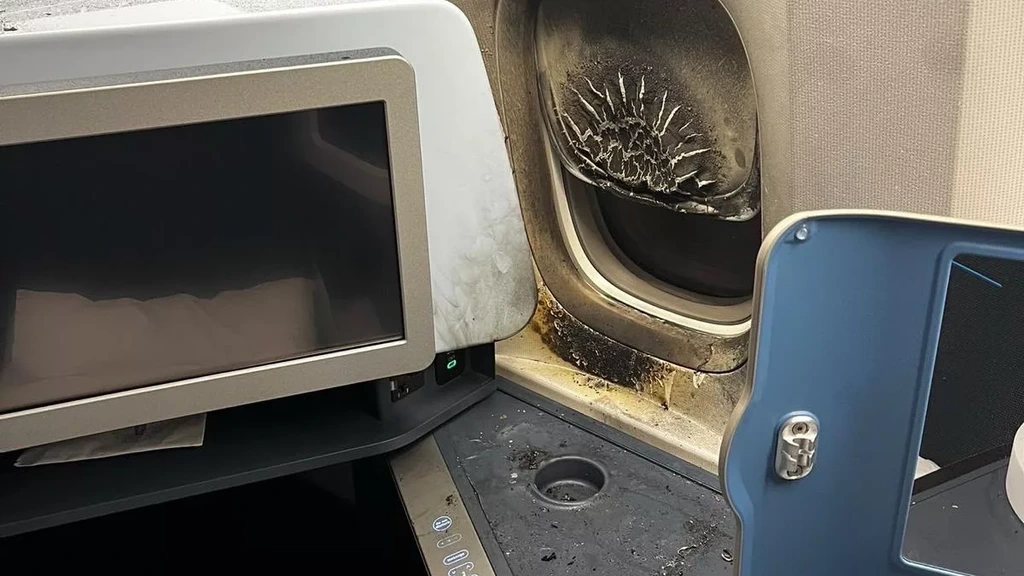
A powerbank fire that forced a KLM flight to turn back to Schiphol this week has put the spotlight back on the risks of lithium-ion batteries in the air. For internationals flying out of the Netherlands, the incident is a reminder that the rules around these devices are strict — and that even former CEOs can break them.
The flight, KL735 from Amsterdam to Curaçao, was five and a half hours into its journey on Thursday evening when a powerbank belonging to former KLM director and CEO Camiel Eurlings ignited in business class. According to NOS, a small fire broke out near a seat and a man suffered burns. KLM initially told DutchNews that no one was injured, but multiple passengers confirmed to NL Times that the former executive sustained minor burns after charging his powerbank — a direct violation of KLM’s own rules. The aircraft returned to Schiphol, and all 322 passengers were put up in hotels before departing the next day on a different plane.
Rules already exist — but compliance is patchy
Airlines, including KLM, ban passengers from charging powerbanks on board and from storing them in overhead bins. They must remain in hand luggage or a personal bag kept under the seat in front of you. Only two powerbanks per passenger are allowed, each with a capacity of 100 Wh or less. These rules are designed to keep the device within reach so cabin crew can act quickly if it overheats.
Yet incidents happen more often than many realise. The Dutch Human Environment and Transport Inspectorate (ILT, Inspectie Leefomgeving en Transport) receives reports of overheated powerbanks or e-cigarettes on flights one to two times per month, reports NOS. This week’s fire is the second such disruption on a KLM flight in just over a year; in August 2025, a powerbank in an overhead bin caught fire on a São Paulo route, also forcing a return to Amsterdam.
What this means for you
If you fly regularly out of Schiphol, the practical takeaway is straightforward: keep your powerbank in your personal bag under the seat, never charge it inflight, and don't put it in the overhead compartment. If you see a device overheating, alert cabin crew immediately. The crew are trained to handle these situations — in this case, they extinguished the fire quickly, though the damage to the aircraft prompted the captain to turn back.
The incident also underscores that the rules apply to everyone, regardless of status. Eurlings’ decision to charge his powerbank, as confirmed by multiple passengers to NL Times, is a stark example. One passenger told the broadcaster it was “incredibly stupid” that the former CEO broke the very rules he once oversaw.
Could powerbanks be banned entirely?
The debate over whether to allow powerbanks on planes has been simmering for years. Some experts argue that the risk of thermal runaway in lithium-ion batteries is too high, especially in a pressurised cabin. Others note that powerbanks are essential for many travellers and that strict adherence to existing rules can minimise danger.
KLM said it is still investigating the incident and that it is “too early” to say whether rules will be tightened (as quoted by NOS). But with a second major disruption in 13 months and monthly ILT reports, pressure is building on the European Aviation Safety Agency (EASA) and Dutch regulators to consider tougher measures — such as limiting the capacity of allowed powerbanks further or requiring them to be carried in flameproof pouches.
For now, as an expat flying from the Netherlands, your best protection is your own awareness. Follow the rules, keep your powerbank accessible, and know that if something goes wrong, the crew are trained to handle it. The alternative — a return to Schiphol and a day-long delay — is the least appealing outcome.
Sources
- KLM flight forced to return to Schiphol after powerbank fire September 18, 2026
- Powerbanks in het vliegtuig, wel of geen goed idee? September 18, 2026
- Powerbank that caught fire on KLM flight belonged to airline’s ex-CEO Camiel Eurlings September 18, 2026
Part of the dossier
Powerbank Fire on KLM Flight →