Prinsjesdag 2026: A Divided Netherlands, a Fragile Cabinet, and What It Means for Expats
Prinsjesdag 2026 was marked by protests and a fragile minority cabinet. The budget debate is uncertain, and the government is struggling to fund the legal right to welfare. For expats, this means potential changes to toeslagen and benefits, but the system remains functional.
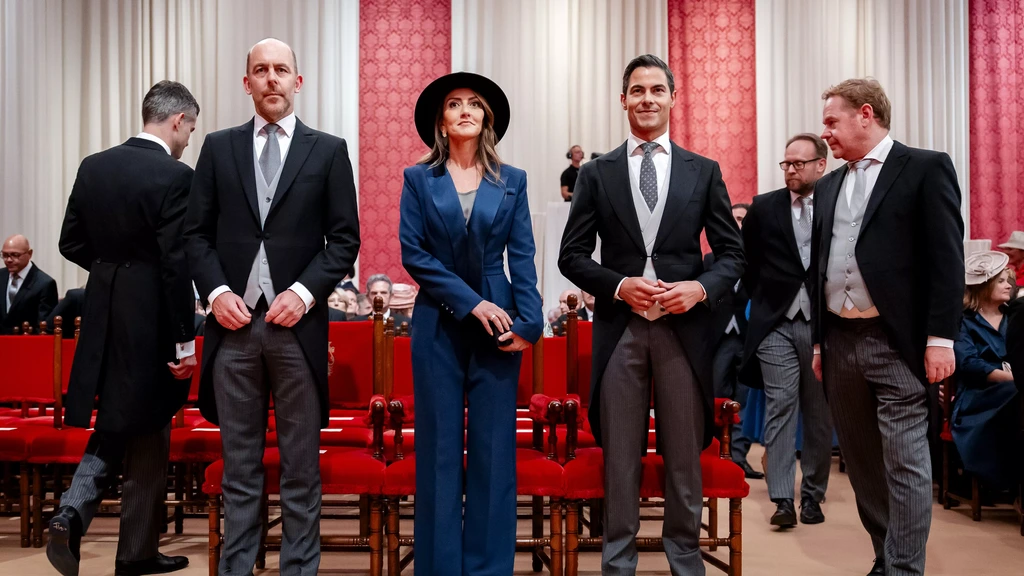
The Hague was never going to be quiet this week. After a Prinsjesdag marked by burning hay bales along the A12, paint splattered on the route of the Glazen Koets (the Golden Coach), and coordinated sabotage on the rail network, the Algemene Politieke Beschouwingen (the General Political Debates, effectively the parliamentary budget debate) opened on 16 September 2026. The tone was set long before the first speech: this is a country on edge, and the minority cabinet knows it.
For internationals watching from the sidelines, the key takeaway is this: the political instability you may have read about is not just noise. It directly affects the budget, the cost of living, and the reliability of public services — including the benefits system you may one day rely on.
A Cabinet Without a Majority
The core problem facing the cabinet is arithmetic. As NOS reports, the minority government does not yet have a guaranteed majority in either the Tweede Kamer (the lower house) or the Eerste Kamer (the upper house, which votes on legislation after the lower house). That means every budget line, every policy proposal, is up for negotiation with opposition parties. The Algemene Politieke Beschouwingen are the moment when those negotiations happen in public, and the outcome is far from certain.
This is not abstract politics. For expats, the most immediate consequence is the potential for delays and changes to policies that affect your daily life — from tax credits (toeslagen) to housing benefit and, crucially, the right to financial support if you lose your job. As NU.nl reported, the cabinet has had to go back to the drawing board to find money to uphold the legal right to bijstand (welfare assistance). In plain terms: the government is legally obliged to provide a safety net, but it is struggling to fund it.
Protests as a Political Force
The protests are not a sideshow; they are central to the debate. Extinction Rebellion blockaded motorways, farmers protested against stikstof (nitrogen) policy, anti-asylum-seeker demonstrations continued, and pro-Palestinian rallies drew crowds. As NOS notes, these actions are increasingly a topic of discussion in the Kamer itself. Politicians are aware that a large group of citizens who did not take to the streets — the silent majority who voted in the last election — are watching closely.
King Willem-Alexander, in the troonrede (the speech from the throne, written by the cabinet), called for unity: “Democracy must unite people, not drive them apart.” But he also delivered the blunt message that “not everything can happen at once.” Opposition leaders were quick to pounce. GroenLinks-PvdA leader Jesse Klaver called the speech “beautiful words” that cannot hide a “rudderless cabinet.” SP leader Jimmy Dijk called it “a slap in the face.”
The King’s speech is not his own words, of course — it is the cabinet’s policy programme. But the fact that the monarch is being used to sell a budget that is not yet agreed is a sign of how fragile the situation is.
What This Means for You
If you are on a residence permit, you are not directly affected by the coalition arithmetic in the same way as Dutch citizens. But you are affected by the outcomes. The uncertainty over the budget could mean:
- Changes to toeslagen — the system of income-dependent allowances for rent, healthcare, and childcare. If the cabinet needs to find money, these are often first on the chopping block.
- Delays in benefit decisions — the bijstand is administered by local gemeenten (municipalities), but the funding comes from central government. If that money is not secured, processing times may lengthen.
- Higher energy costs — the cabinet is under pressure to address rising prices, but without a majority, any support package must be negotiated.
As the NOS Wekdienst reported, the debate coincides with other significant events — including the first hearing in the case of the June explosion in an Osdorp apartment block, where seven people were injured. That case is a reminder that security concerns, both domestic and international, are also on the agenda.
The Road Ahead
The Algemene Politieke Beschouwingen are scheduled to last two days, but the real deadline is the vote on the budget in November. If the cabinet cannot secure a majority, the Netherlands could face a constitutional crisis — or at the very least, a caretaker government with limited power.
For expats, the advice is simple: keep an eye on the news, but don’t panic. The Dutch political system is designed for compromise, and even a minority cabinet can govern if it builds ad-hoc coalitions on specific issues. But the coming weeks will be tense. As the King said, not everything can be solved tomorrow. For now, the most practical thing you can do is to ensure your own financial affairs are in order — and to know where to go if you need help. Your gemeente is your first port of call for benefits, and they are obliged to help you, regardless of the political chaos in The Hague.
This is a story that will develop over the coming days. We’ll be following it closely, and we’ll explain what it means for you in plain English.
Sources
- Na bewogen Prinsjesdag is de vraag of kabinet en Kamer elkaar eindelijk weten te vinden September 16, 2026
- Wekdienst 16/9: Algemene Beschouwingen • Rechtszaak explosie Osdorp September 16, 2026
- Kabinet moet opnieuw geld zoeken om op het recht op bijstand te wijzen September 18, 2026
Part of the dossier
Prinsjesdag en Algemene Politieke Beschouwingen →