Pro-Palestinian protests in the Netherlands: What expats need to know after arrests and parliamentary disruption
Pro-Palestinian protests in the Netherlands have led to the evacuation of parliament and the arrest of 45 people in Amsterdam. Expats should know that protest bans can be upheld by courts, and disrupting government buildings carries serious consequences.
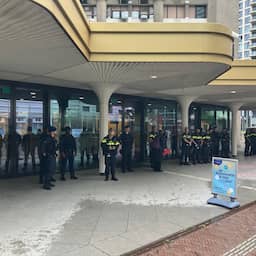
Pro-Palestinian protests in the Netherlands have escalated in recent weeks, with two major incidents drawing attention: a disruption of the Tweede Kamer (the Dutch parliament) on September 8 and the arrest of around 45 demonstrators in Amsterdam on September 18. For internationals living in the Netherlands, these events raise questions about freedom of assembly, the limits of protest, and how Dutch authorities handle politically charged demonstrations.
Parliament evacuated after protesters break in
On September 8, pro-Palestinian demonstrators managed to disrupt a meeting of the Tweede Kamer, forcing an evacuation and the closure of the parliamentary building. Two people were arrested. The incident was a rare breach of security at the Binnenhof, the historic complex that houses the Dutch parliament. Police have not yet announced what charges the two suspects will face, but disrupting a parliamentary session can carry serious penalties under Dutch law, including fines or imprisonment.
For expats, this incident underscores that the Dutch government takes security at the parliament very seriously. If you are planning to attend any demonstration near the Binnenhof, be aware that the area is heavily monitored and that any attempt to force entry will lead to immediate arrest.
Amsterdam: 45 arrested after court upholds protest ban
A week later, on September 18, a much larger confrontation took place in Amsterdam. A pro-Israel event organized by Christians for Israel was held on Dam Square, featuring speakers including SGP leader Chris Stoffer and chief rabbi Binyamin Jacobs. The Amsterdam Palestina Coalitie had planned a counter-demonstration, but the city council, led by mayor Femke Halsema, banned it from Dam Square, citing a risk of public disorder.
The group challenged the ban in court but lost. The judge ruled that the mayor’s decision was reasonable given the potential for clashes between the two groups. Despite the ruling, dozens of pro-Palestinian protesters showed up on the square anyway. Police arrested around 45 of them after they sprayed slogans in red paint on the ground near the national war memorial. A giant Palestinian flag hung from the H&M store was also removed by police.
The counter-demonstration was moved to Oude Turfmarkt, about 500 meters away on Rokin. The public prosecution service will now decide whether to press charges against those arrested.
What this means for expats
These events highlight a few key points for internationals living in the Netherlands:
- Protest rights are not absolute. Dutch law protects the right to demonstrate, but local authorities (gemeenten) can impose restrictions on time, place, and manner — and even ban a protest entirely if there is a credible threat to public order. The Amsterdam case shows that courts generally defer to the mayor’s judgment in such situations.
- Arrests can happen quickly. Spraying paint or hanging banners without permission can lead to immediate arrest. The police in the Netherlands are generally tolerant of peaceful protests, but they act firmly when a demonstration crosses into vandalism or obstruction.
- Parliament is off-limits. The Tweede Kamer has its own security protocols. Attempting to enter or disrupt proceedings is a serious offense. If you want to make your voice heard, the designated protest area near the Binnenhof is the only legal option.
- Stay informed. For updates on demonstrations and city bans, check the website of your local gemeente or follow news outlets like DutchNews.nl and NU.nl. The Amsterdam city council often publishes decisions on demonstrations in advance.
Broader context
The protests in the Netherlands are part of a wider wave of pro-Palestinian activism in Europe. On September 9, demonstrators in Ljubljana, Slovenia, protested the opening of Israel’s first resident embassy there, a policy shift under Prime Minister Janez Janša. While that event is not directly linked to the Dutch protests, it shows that tensions around the Israeli-Palestinian conflict are flaring across the continent.
For now, the Dutch government has not announced any new measures regarding protests. But the events of the past two weeks suggest that authorities are prepared to use arrests and bans to maintain order. If you are an expat considering joining a demonstration, it is wise to check the legal framework and any local restrictions beforehand.
Sources:
Sources
- Tweede Kamer afgesloten omdat pro-Palestijnse betogers vergadering verstoren September 8, 2026
- Pro-Palestinian protesters oppose Israel embassy opening in Slovenia September 9, 2026
- Pro-Palestinian protesters arrested at Israel event in Amsterdam September 18, 2026
Part of the dossier
Pro-Palestinian Protests in Netherlands →