Putin Tightens Grip: Nationalization, Election, and Ovechkin's Endorsement — What It Means for Expats in the Netherlands
Russia is holding its first parliamentary election since the Ukraine war, while Putin nationalizes assets of Auchan, Nestlé, and Leroy Merlin. NHL star Ovechkin defends his pro-Putin campaign ad. For expats in the Netherlands, these moves signal potential new EU sanctions and risks for European companies still in Russia.
Russia is holding its first parliamentary election since the full-scale invasion of Ukraine, and President Vladimir Putin is consolidating control on multiple fronts — economically via the nationalization of foreign assets, politically via the ruling United Russia party, and culturally via a high-profile endorsement from NHL star Alexander Ovechkin.
For expats and internationals living in the Netherlands, these developments matter because they signal a further entrenchment of Putin’s regime, which could prompt new EU sanctions or complicate the operations of European companies still doing business in Russia. The Netherlands, as a hub for international trade and a key EU member, may be directly affected.
The Election: A Foregone Conclusion?
From September 18 to 20, Russians are voting for the State Duma — the first such election since the war began in February 2022. United Russia, the party backed by Putin, has dominated for over two decades. While a handful of other parties are on the ballot, analysts say they pose no serious challenge. As Al Jazeera reports, the election is widely seen as a rubber stamp for the Kremlin’s agenda.
Nationalization of European Giants
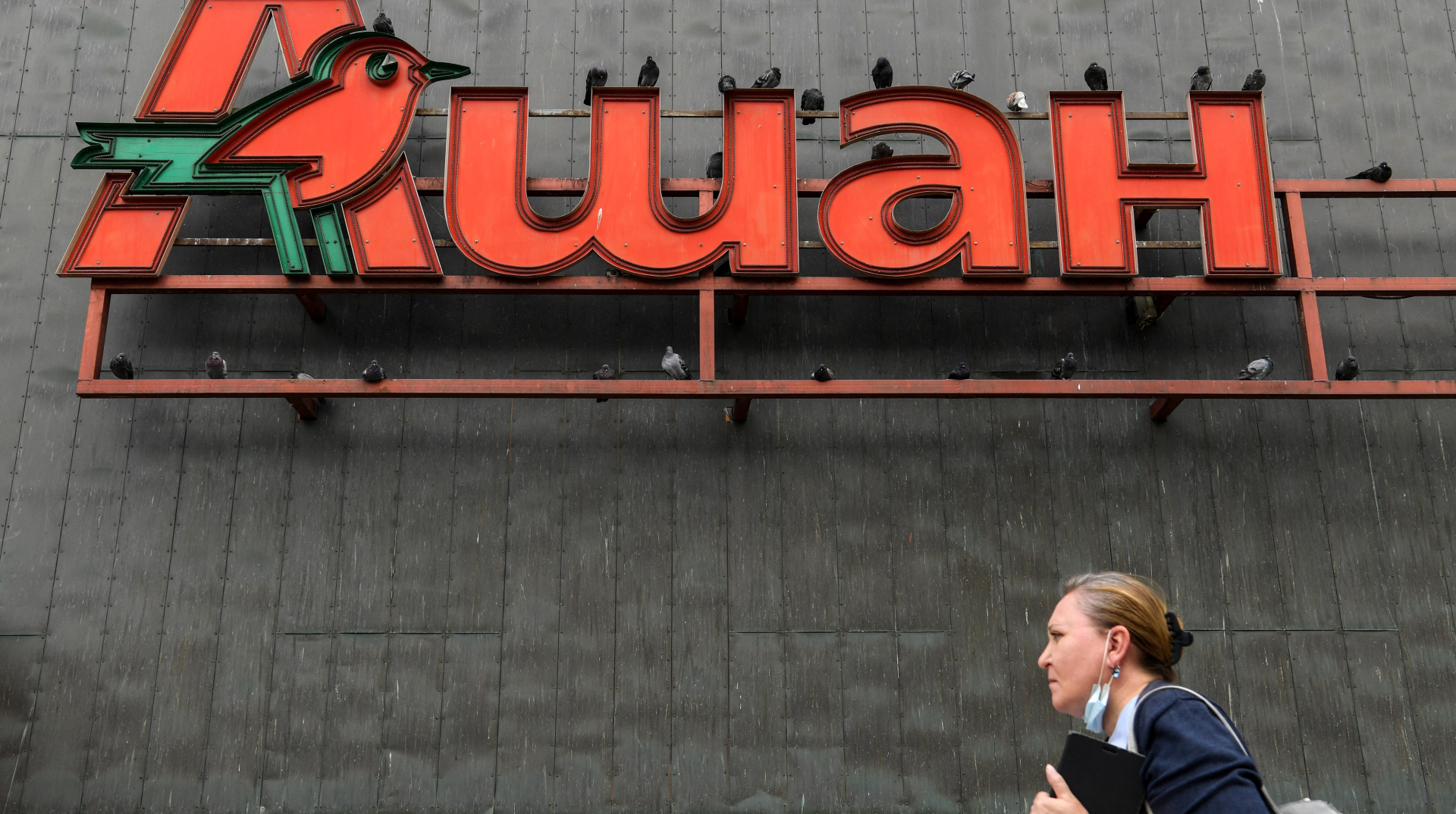
On September 17, Putin signed a decree that effectively seizes the Russian assets of three major international companies: French retailer Auchan, Swiss food giant Nestlé, and the former Leroy Merlin chain (also French). According to Ukrainska Pravda, the assets are being transferred to a shell company called L.E.V. Management, registered in Moscow just two years ago and with no commercial track record.
These companies had remained in Russia after the invasion, arguing they were providing essential goods. But the Kremlin’s move amounts to what Kyiv calls “legalized theft.” For internationals in the Netherlands — especially those working for Dutch subsidiaries of European retailers or logistics firms — this raises questions about future exposure. Dutch companies that still have supply chains in Russia may face similar risks if the Kremlin continues its nationalization drive.
Ovechkin: ‘I’m Russian, I Support My Country’
NHL star Alexander Ovechkin, captain of the Washington Capitals, has come under fire again for appearing in a United Russia campaign video alongside Foreign Minister Sergey Lavrov. At a media day on September 17, Ovechkin defended the ad, saying, “I’m Russian, and I support my country”. He added that he hopes for peace and that he intends to return to Russia after his hockey career.
For Dutch hockey fans or expats following sports, this may complicate views of a player long celebrated for his skill. Ovechkin’s ties to Putin — he launched a pro-Putin movement in 2017 and still uses a photo with the president as his Instagram profile — have been a recurring issue since the war began.
What This Means for the Netherlands
The Netherlands is home to many international companies and NGOs with operations in Eastern Europe. The nationalization of Auchan, Nestlé, and Leroy Merlin could set a precedent for other foreign firms. Additionally, the Dutch government — as an EU member — will likely support further sanctions on Russia, which could affect expats working in sectors like logistics, energy, or manufacturing.
Expatriates living here on residency permits should keep an eye on EU regulatory updates, especially if their employer has any ties to the Russian market. The Dutch Ministry of Foreign Affairs regularly updates travel and business advisories; it’s wise to check their website for the latest guidance.
In short, the Kremlin’s moves this week aren’t just about Russian domestic politics — they have ripple effects that reach as far as the Netherlands.
Sources
- ‘I’m Russian’: NHL star Ovechkin defends Putin ad appearance September 17, 2026
- Russia election: Could other parties challenge United Russia? September 17, 2026
- Putin seizes Russian assets of Auchan, Nestlé and Leroy Merlin September 17, 2026
Part of the dossier
Russian Politics and Putin Support →