Ukraine just crippled Russia’s oil refining — here’s what it means for your energy bill in the Netherlands
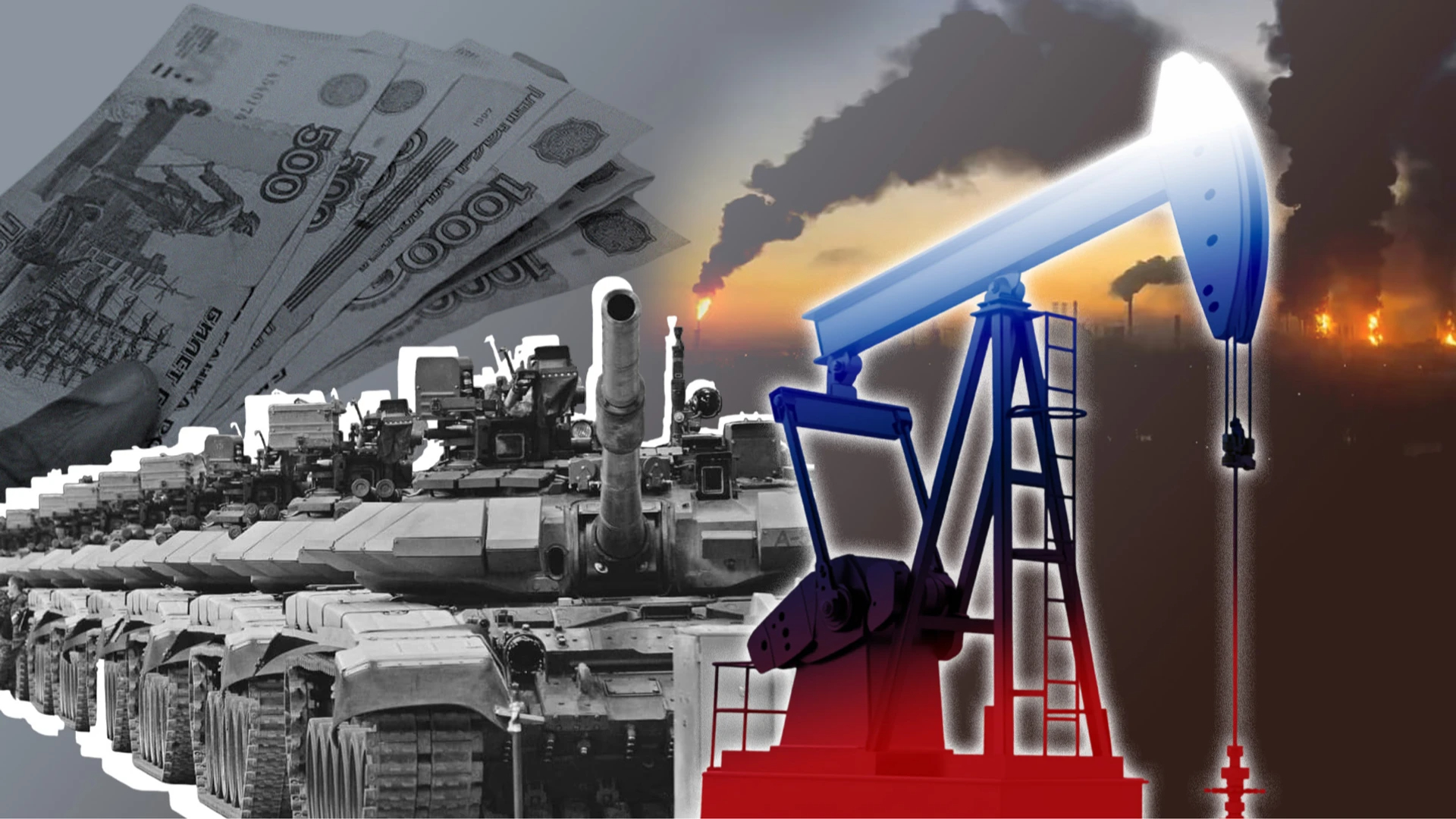
Ukraine says it has put more than 51% of Russia's oil refining capacity out of action, just days after reports suggested Russia's economy could fund two more years of war. The strikes could undermine that resilience and have knock-on effects on global energy prices — and on energy bills in the Netherlands.
If you’re an expat in the Netherlands, you may have watched the war in Ukraine from a distance. But this week’s news from the front lines could hit your wallet directly.
On Sunday, Ukraine’s Defence Minister Yevhenii Khmara announced that more than 51% of Russia’s oil refining capacity is now out of action, following a series of long-range strikes on refineries in Moscow, Yaroslavl, Kinef, Ust-Luga, Perm, Ilsky, Saratov, Syzran and elsewhere. Source
The announcement came just days after Ukrainska Pravda reported that Russia’s economy had been expected to withstand two more years of full-scale war without slipping into recession. That assessment, based on official data and expert analysis, suggested that Moscow had enough financial headroom to keep funding its invasion through 2026 and into 2027.
The refinery strikes are designed to blow a hole in that calculation. Russia can still pump crude oil and sell it to buyers like India and China, but refining is where the added value is created. If the country cannot process its own oil into diesel, jet fuel and gasoline, it loses a major source of export revenue — and risks domestic fuel shortages, which is politically dangerous for the Kremlin.
“Fifty-one per cent of oil refining capacity being hit is a significant blow to the enemy’s economy, its ability to wage aggression and supply its military groupings,” Khmara said. Source
For the Netherlands, the stakes are indirect but real. The Port of Rotterdam is Europe’s largest energy hub, and the Dutch economy remains highly sensitive to global energy prices. While the European Union has banned most direct imports of Russian oil, the global market is interconnected. Any sustained disruption to Russian supply — whether crude or refined products — can push up prices worldwide.
That could mean higher costs at the pump, more expensive heating bills, and upward pressure on inflation. For expats living in the Netherlands, the immediate impact is likely to be on your energy contract. If you’re on a variable contract, you may see your monthly advance payment (voorschot) rise. If you’re on a fixed contract, you’re protected for now, but that contract will eventually end.
There is also a political dimension. The Dutch government, led by the current coalition, has been a vocal supporter of Ukraine and a strong advocate for EU sanctions. But it is also acutely aware of the domestic cost. The Tweede Kamer, the Dutch lower house, has repeatedly debated the impact of the war on household budgets. If energy prices spike again, pressure will mount on the government to expand support measures, such as the energietoeslag (energy benefit) for low-income households.
That could create tension within the coalition, where parties disagree on how much to spend on social support versus military aid. For now, the full impact of the strikes on Russia’s economy remains unclear. But one thing is certain: the assumption that Russia could fund two more years of war without pain is no longer safe.
For expats, the practical advice is simple. Review your energy contract, consider fixing your rate if you’re risk-averse, and keep an eye on announcements from the Rijksoverheid about energy support schemes. The war is far away, but its economic shockwaves are already arriving in Dutch letterboxes.
Sources
Part of the dossier
Russia's Economy and War Impact →