West Nile Virus in the Netherlands: 18 Cases, 3 Deaths — What It Means for Expats
The Netherlands has 18 confirmed West Nile virus cases and three deaths in 2026, the worst outbreak yet. Expats are advised to use mosquito nets and protect against bites, especially in affected provinces like Utrecht, Noord-Holland, and Gelderland.
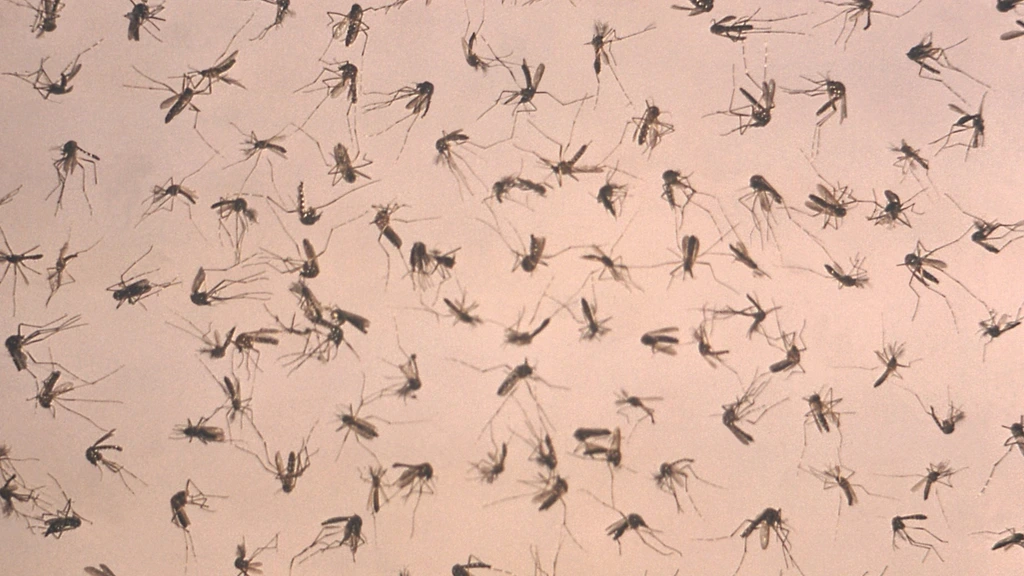
The Netherlands is seeing its worst-ever outbreak of West Nile virus, with 18 confirmed human infections and three deaths as of 12 September 2026, according to the RIVM. All three fatalities involved elderly people with pre-existing health conditions, and the virus has now spread across six provinces: Utrecht, Noord-Brabant, Noord-Holland, Zuid-Holland, Overijssel, and Gelderland. This marks the first time the virus has been detected in the latter two provinces during the current outbreak.
What is West Nile virus and how does it spread?
West Nile virus (WNV) is a mosquito-borne disease first identified in Uganda in 1937. It arrived in the Netherlands via migratory birds and has been circulating locally since 2020, when the first human case was recorded after a local infection. The virus is transmitted by the common house mosquito (Culex pipiens), which picks it up after feeding on infected birds, particularly crows, which are showing high mortality rates. Humans and horses are "dead-end hosts" — they can get sick but cannot pass the virus on to others. As NOS explains, this makes WNV fundamentally different from viruses like COVID-19.
What are the symptoms and risks?
Most people infected with WNV show no symptoms at all — about 80%, according to the RIVM. Another 19% experience mild flu-like symptoms: fever, headache, stomach ache, diarrhoea, and sometimes a rash or swollen lymph nodes. Only about 1% develop severe neurological complications, such as meningitis or encephalitis. The risk of serious illness is highest for people over 50 and those with weakened immune systems.
One notable case this year was a 39-year-old woman from Amstelveen who contracted meningitis from the virus — the first such case in this outbreak, as reported by DutchNews. While rare, this shows that even younger people can be severely affected.
What is the government doing?
Health Minister Sophie Hermans has advised people to use mosquito nets, wear covering clothing, and install screens on windows. “The virus can only be prevented by protecting against mosquitoes,” she said, as reported by NL Times. The RIVM stresses that the risk of infection remains small, but the virus is now considered established in the country. The government has sent information about symptoms to general practitioners (huisartsen) and regional health services (GGDs) to improve detection.
Researchers from the RIVM, Sanquin, and other institutes are monitoring the situation through studies of mosquitoes, birds, and horses. Five horses have also tested positive, according to the NL Times.
What does this mean for expats in the Netherlands?
If you live in the affected provinces — Utrecht, Noord-Brabant, Zuid-Holland, Noord-Holland, Overijssel, or Gelderland — you should take simple precautions, especially if you are over 50 or have a chronic health condition. Use mosquito repellent, avoid being outside at dawn and dusk when mosquitoes are most active, and consider sleeping under a mosquito net if you have one. The virus is not transmitted from person to person, so you do not need to worry about catching it from a colleague or neighbour.
If you develop a fever, headache, or other flu-like symptoms after a mosquito bite, see your GP. Severe symptoms — such as severe headache, stiff neck, sensitivity to light, or confusion — warrant immediate medical attention. Remember that most cases are mild or asymptomatic, but being aware is your best defence.
Looking ahead
West Nile virus is likely to become a more regular feature of Dutch summers as climate change allows the mosquitoes that carry it to thrive in northern Europe. The RIVM expects to continue its surveillance programme, and while the current outbreak is the largest to date, the overall risk to the general population remains low. Stay informed through official channels like the RIVM website and your local GGD.
Sources
- Fourth Dutch case of West Nile fever this year confirmed September 2, 2026
- Negen mensen liepen in Nederland het westnijlvirus op, blijkt uit nieuwe cijfers September 3, 2026
- West Nile virus confirmed in 9 people in the Netherlands September 3, 2026
- Moeten we ons in Nederland zorgen maken over het westnijlvirus? September 4, 2026
- Two more deaths linked to West Nile virus in the Netherlands; Infections double to 18 September 10, 2026
- West Nile outbreak has Dutch health min. asking people to sleep under mosquito nets September 12, 2026
Part of the dossier
West Nile Virus in the Netherlands →