West Nile Virus in the Netherlands: 9 Cases, 1 Death in 2026 – What Expats Need to Know
Nine people in the Netherlands have contracted West Nile virus in 2026, including one death. The virus is now established in the country, but the risk of serious illness remains very low. Here's what internationals need to know about symptoms, transmission, and prevention.
The National Institute for Public Health and the Environment (RIVM) has confirmed that nine people in the Netherlands have been infected with West Nile virus so far in 2026, including one death and a rare case of meningitis. For internationals living here, the key message is that while the virus is now considered established in the country, the risk of serious illness remains very low.
The numbers
As of September 3, the RIVM reports nine locally acquired infections across four provinces: Utrecht, Noord-Brabant, Noord-Holland, and Zuid-Holland. One patient, a person over 75 with an underlying condition, died in Utrecht province Source: NOS. The fourth case, confirmed on September 2, is a 39-year-old woman from Amstelveen who developed meningitis — a neurological complication that occurs in only about 1% of infections Source: DutchNews.nl.
In addition to human cases, five horses have tested positive, and the virus has been detected in birds and common house mosquitoes, according to the RIVM and Sanquin Research Source: NL Times.
How does it spread?
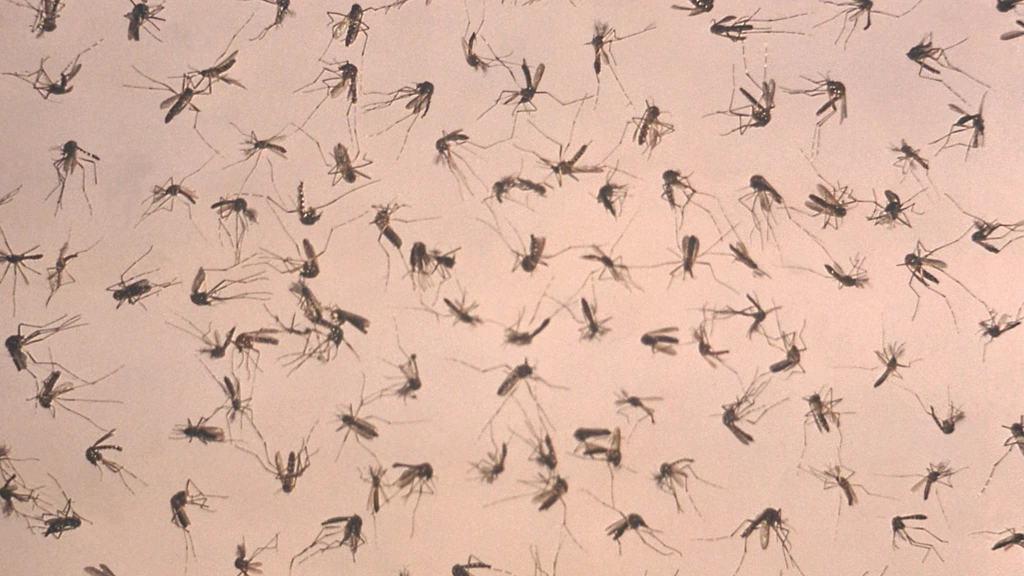
West Nile virus is transmitted by mosquitoes, primarily the common house mosquito (Culex pipiens). Birds are the natural reservoir; mosquitoes become infected after feeding on an infected bird, then pass the virus to humans, horses, and other mammals. There is no human-to-human transmission — you cannot catch it from someone who is sick Source: NOS.
Until 2020, all Dutch cases were linked to travel abroad. The first locally acquired infection was confirmed in October 2020. Since then, the virus has been gradually establishing itself, a trend linked to climate change. Warmer temperatures allow disease-carrying mosquito species — such as the yellow fever mosquito and Asian tiger mosquito — to survive further north Source: NOS.
What are the symptoms?
According to the RIVM, about 80% of infected people experience no symptoms at all. Another 19% develop mild flu-like symptoms: fever, headache, stomach ache, diarrhoea, and sometimes a skin rash or swollen lymph nodes. Severe neurological illness — such as meningitis or encephalitis — occurs in roughly 1% of cases. People over 50 and those with weakened immune systems are at higher risk Source: DutchNews.nl.
What does this mean for internationals?
For expats and internationals in the Netherlands, the practical advice is straightforward: the chance of getting seriously ill is extremely small. However, you can reduce your risk by avoiding mosquito bites, especially during dawn and dusk when mosquitoes are most active. Use insect repellent, wear long sleeves and trousers in mosquito-heavy areas, and ensure window screens are intact. There is no vaccine or specific treatment; medical care is supportive.
The RIVM, together with the NVWA (Netherlands Food and Consumer Product Safety Authority), virologists, and ecologists, continues to monitor the situation. They will publish an updated report later this week Source: DutchNews.nl. If you develop a fever after a mosquito bite and feel unwell, contact your huisarts (GP) and mention the possibility of West Nile virus — though other causes are far more likely.
The bigger picture
West Nile virus is not new to Europe; it has been circulating in southern and central Europe for years. Its northward spread is a clear sign of how climate change is shifting disease patterns. The Netherlands now joins other northern European countries where the virus has become endemic. For now, the RIVM stresses that the public health risk remains low, but continued surveillance is essential Source: NL Times.
Sources
- Fourth Dutch case of West Nile fever this year confirmed September 2, 2026
- Negen mensen liepen in Nederland het westnijlvirus op, blijkt uit nieuwe cijfers September 3, 2026
- West Nile virus confirmed in 9 people in the Netherlands September 3, 2026
Part of the dossier
West Nile Virus in the Netherlands →