West Nile Virus in the Netherlands: 44 Cases, 5 Deaths — Blood Bank Launches Universal Screening
The Netherlands' largest West Nile virus outbreak has reached 44 human cases and five deaths. Sanquin now screens all blood donations after a transfusion-linked fatality. Most people face low risk, but expats should take mosquito precautions, especially in Zuid-Holland and Utrecht.
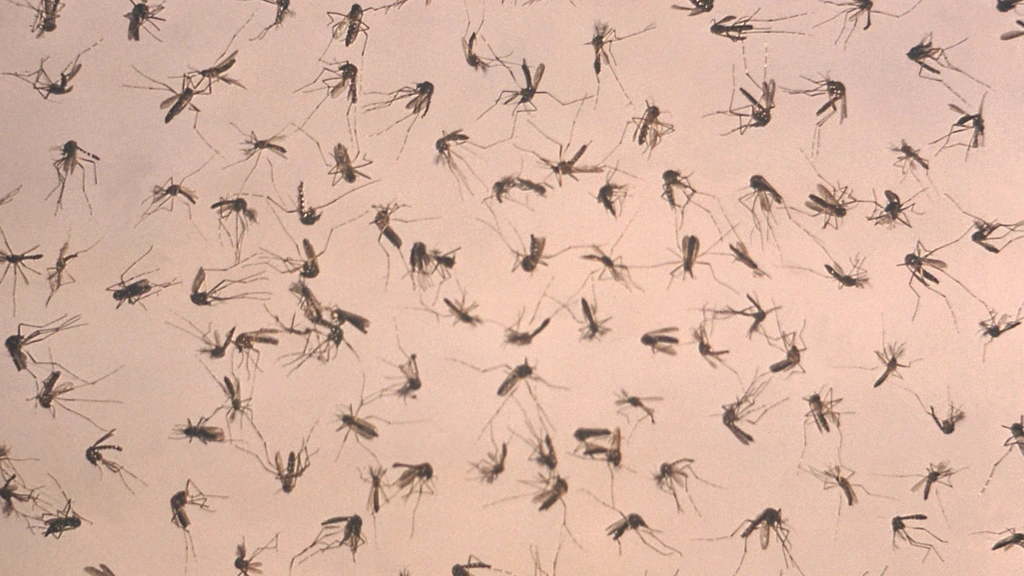
The Netherlands is experiencing its largest West Nile virus outbreak on record, with 44 confirmed human infections and five deaths as of September 24, 2026. The National Institute for Public Health and the Environment (RIVM) reported 16 new cases in the past week alone, bringing the total to more than double the count from two weeks ago.
Most infections have been concentrated in Zuid-Holland (23 cases) and Utrecht (10 cases), with additional cases in Noord-Holland, Noord-Brabant, Gelderland and Overijssel. The virus, transmitted by mosquitoes that have bitten infected birds, has also been detected in 136 horses and around 100 birds, with a notable die-off among crows.
Blood transfusion transmission triggers universal screening
A key development in this outbreak is the first confirmed case of West Nile virus transmission via blood transfusion in the Netherlands. One of the five fatalities was a patient who contracted the virus after receiving blood from an unknowingly infected donor. The RIVM said it is not yet certain whether the patient died directly from the virus or from underlying health conditions.
In response, Sanquin, the Dutch blood bank, has implemented universal West Nile virus screening for all blood donations across nine provinces. This is a significant step: previously, screening was only done reactively. For anyone living in the Netherlands who might need a blood transfusion, this measure greatly reduces the risk of infection from donated blood.
What this means for expats and internationals
If you live in the Netherlands, the risk of contracting West Nile virus remains very low — about 80% of infected people show no symptoms at all, according to the RIVM. Around 19% develop mild flu-like symptoms (fever, headache, muscle aches). Only about 1% of cases lead to severe neurological illness such as meningitis or encephalitis.
Who is most at risk? People over 50 and those with weakened immune systems or underlying health conditions. The five people who died were all elderly with pre-existing conditions. Healthy adults under 50 are unlikely to become seriously ill.
Practical steps you can take:
- Health Minister Sophie Hermans (VVD) has advised sleeping under mosquito nets and being vigilant about mosquitoes indoors. Source: NL Times
- Wear long sleeves and trousers at dawn and dusk when mosquitoes are most active.
- Use mosquito repellent (DEET-based products are effective).
- Install window screens or keep windows closed.
- Remove standing water (e.g., plant pots, bird baths) where mosquitoes breed.
Crucially, West Nile virus cannot spread from person to person — you cannot catch it from a colleague or family member. The only route is mosquito bite.
Government response and surveillance
The RIVM, together with Sanquin Research, veterinarians and ecologists, is monitoring the outbreak closely. Three mosquito pools have been found where the virus is circulating. Health authorities have sent updated symptom information to general practitioners (huisartsen) and regional health services (GGDs).
For internationals, note that the outbreak is not a reason to avoid outdoor activities, but taking basic mosquito precautions is wise, especially in the affected provinces. If you develop fever, headache and muscle aches after being outdoors, consult your GP and mention possible mosquito exposure.
Looking ahead
This is the largest West Nile virus season in the Netherlands since the virus was first detected locally in 2020. Climate change is allowing mosquito species like the Asian tiger mosquito to expand northward, making future outbreaks more likely. The RIVM continues research, and the universal blood screening will likely remain in place through the mosquito season.
For the latest updates, check the RIVM website or follow local news. This article updates our previous coverage from September 12 and September 3.
Sources: DutchNews.nl, NOS, NL Times, NL Times (Sept 10), NL Times (Sept 24), DutchNews.nl (Sept 17), NOS (Sept 17)
Sources
- Fourth Dutch case of West Nile fever this year confirmed September 2, 2026
- Negen mensen liepen in Nederland het westnijlvirus op, blijkt uit nieuwe cijfers September 3, 2026
- West Nile virus confirmed in 9 people in the Netherlands September 3, 2026
- Moeten we ons in Nederland zorgen maken over het westnijlvirus? September 4, 2026
- Two more deaths linked to West Nile virus in the Netherlands; Infections double to 18 September 10, 2026
- West Nile outbreak has Dutch health min. asking people to sleep under mosquito nets September 12, 2026
- Vierde dode na besmetting met westnijlvirus, tien mensen positief getest September 17, 2026
- West Nile virus death toll rises to four September 17, 2026
- Fifth West Nile virus death reported in Netherlands as 16 new cases confirmed September 24, 2026
Part of the dossier
West Nile Virus in the Netherlands →