West Nile virus outbreak in the Netherlands: 9 deaths, 56 cases as RIVM says peak has passed
The West Nile virus outbreak in the Netherlands has caused 9 deaths and 56 confirmed cases as of Oct 1, 2026. The RIVM says the outbreak is past its peak, with new infections declining. The virus is not transmissible between humans, and risk remains low but present, especially in Zuid-Holland and Utrecht.
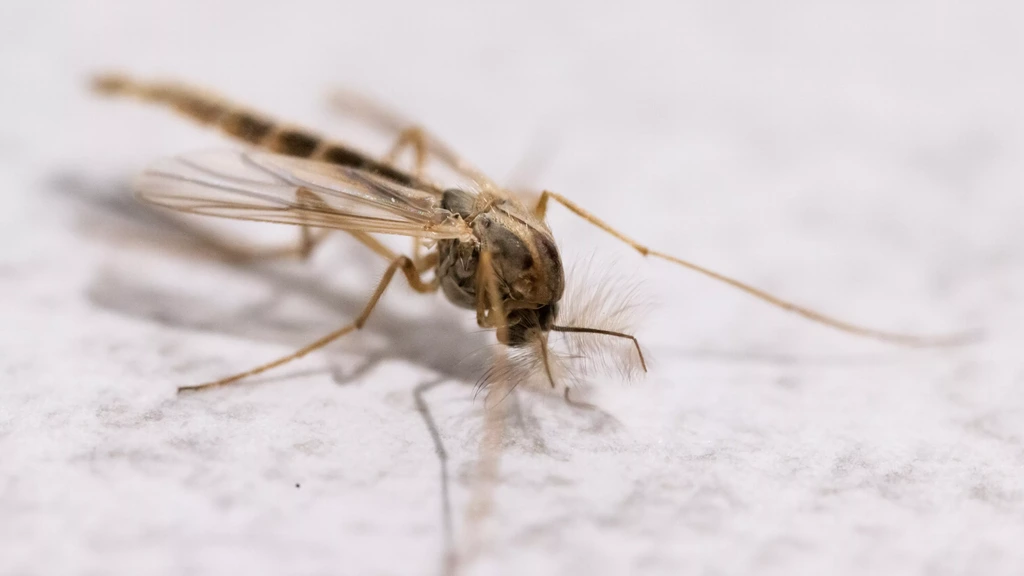
The West Nile virus outbreak in the Netherlands has claimed nine lives and led to 56 confirmed human infections as of October 1, according to the latest update from the National Institute for Public Health and the Environment (RIVM). The agency says the outbreak appears to have passed its peak, with new infections declining: 12 cases were reported in the latest week, down from 16 a week earlier.
This is the first time the virus has caused deaths within the country. Previous fatalities were limited to Dutch residents who had been infected while traveling abroad. But this year, the virus began circulating among local mosquito populations in August, according to the RIVM.
What the numbers mean for you
For internationals living in the Netherlands, the key message is that the risk of infection is still low but real — especially if you live in or near areas where the virus has been detected. More than half of all human cases this year (32) have been in Zuid-Holland province, followed by Utrecht (12), Noord-Holland (5), Noord-Brabant (4), Gelderland (2) and Overijssel (1), according to the NL Times.
Importantly, the virus cannot be transmitted from person to person. You cannot catch it from someone who is sick. It is spread only through the bite of an infected common house mosquito, which picks up the virus after biting an infected bird. The RIVM has emphasized there is no pandemic risk, as reported by DutchNews.nl.
Symptoms and who is most at risk
About 80% of people infected with West Nile virus show no symptoms at all. Around 19% develop flu-like symptoms (West Nile fever), such as headache, fever, muscle aches and fatigue. In roughly 1% of cases, the virus causes severe neurological disease, including meningitis or encephalitis — and it is these cases that can be fatal. According to the RIVM, people over 50 or with weakened immune systems are more likely to develop severe symptoms. This is consistent with global patterns for the disease.
There is no vaccine or specific treatment. Prevention relies entirely on avoiding mosquito bites.
Decline in animal infections signals the outbreak is waning
The RIVM is cautiously optimistic because infections in animals — which act as an early warning system — have dropped sharply. In the latest week, only 14 infected horses and 7 infected birds were reported, down from 48 and 71 respectively a week earlier, as noted by NOS. This suggests mosquito activity carrying the virus is decreasing as autumn weather sets in.
Practical tips for expats
For now, the RIVM advises taking standard precautions against mosquito bites, especially in the hours around dusk and dawn:
- Use mosquito repellent (DEET-based products are effective)
- Wear long sleeves and trousers if spending time outdoors in areas with standing water or vegetation
- Keep windows closed or use screens
- Empty any standing water around your home (e.g., plant saucers, buckets, bird baths)
If you live in one of the affected provinces — particularly Zuid-Holland or Utrecht — and develop a high fever with severe headache or confusion, consult a huisarts (general practitioner). Mention the possibility of West Nile virus, especially if you recall mosquito bites.
The bigger picture
The West Nile virus first appeared in the Netherlands in 2020, introduced by migratory birds. This year is the first time it has caused domestic deaths. One death was linked to a blood transfusion — highlighting that the virus can also be transmitted through donated blood. Sanquin, the national blood bank, has screening protocols in place.
The outbreak is being monitored by a task force of epidemiologists, virologists, veterinarians and doctors. Given that the virus is now established in the Dutch mosquito population, it may become a recurring seasonal risk in future summers, much like it is in parts of southern Europe and the United States.
For now, the RIVM expects the number of new infections to continue falling as cooler weather ends the active mosquito season. But for the nine families who lost loved ones this year, the virus has already left a lasting mark.
Sources
- Fifth West Nile virus death confirmed as number of cases rises September 24, 2026
- Vier nieuwe doden door westnijlvirus, maar uitbraak lijkt af te vlakken October 1, 2026
- 4 more people in the Netherlands die from West Nile virus; 56 total infections October 1, 2026
Part of the dossier
West Nile virus outbreak in the Netherlands →