Zelenskyy at the UN: 'Patient Zero' Putin must be stopped as Ukraine faces accountability crisis at home
Zelenskyy tells UN Putin is 'patient zero' of the war, calls for sustained sanctions. At home, he faces accountability questions after a deadly ammunition warehouse disaster and a corruption probe into a former aide. For expats in the Netherlands, the stakes are EU accession and stability.
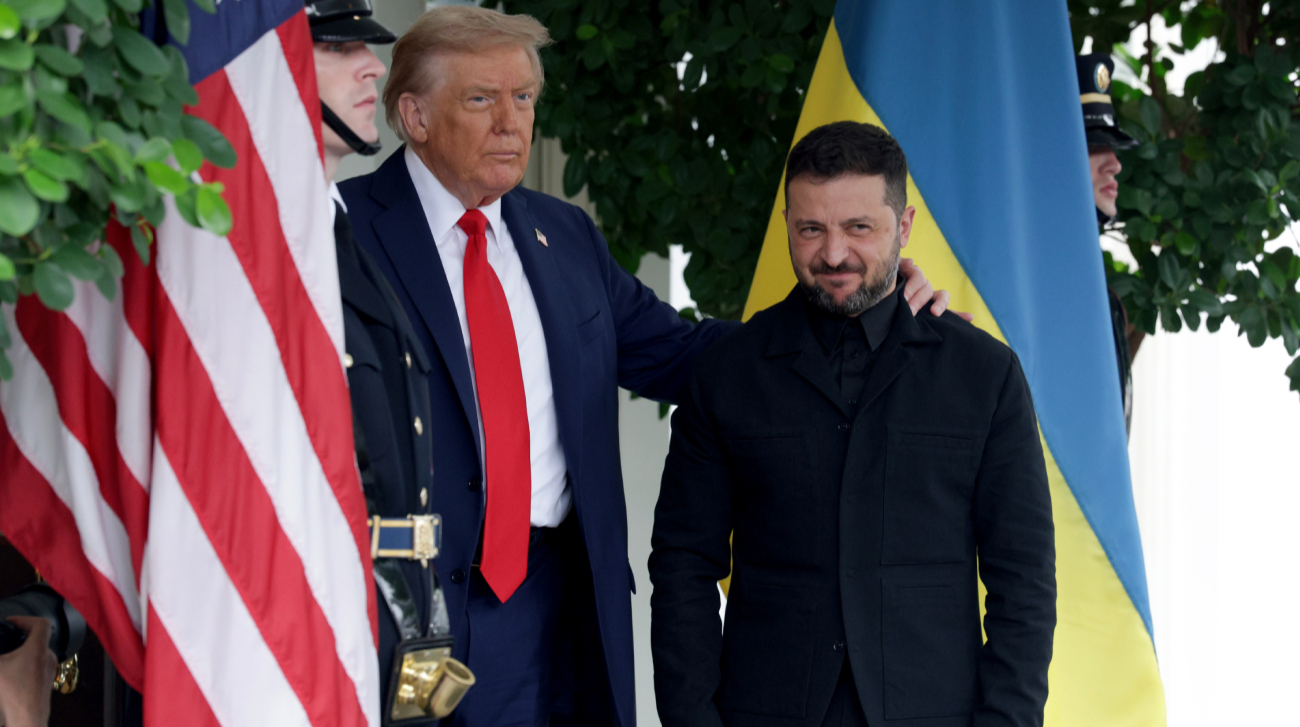
Ukrainian President Volodymyr Zelenskyy used his address at the United Nations General Assembly on Wednesday to deliver a stark message: Vladimir Putin is the sole reason the war continues, and the world must keep choking Russia's revenues. But for expats and internationals living in the Netherlands, the speech is also a window into the domestic pressures piling up on Zelenskyy — from a deadly ammunition warehouse disaster to a brewing corruption scandal that could test Ukraine's EU ambitions.
The UN speech: '248 people for every kilometre'
Speaking in New York, Zelenskyy called Putin "patient zero" for the war, saying that Russia had lost 248,000 soldiers in the last eight months to gain just over 1,000 square kilometres of Ukrainian territory. "Putin spent 248 people for every kilometre. Does anyone still think he is smart?" he asked, according to Al Jazeera.
He urged sustained economic pressure on Moscow, specifically calling on the EU to sanction Russian oligarchs Alisher Usmanov and Mikhail Fridman, whom he said should not be treated as friends. This follows his earlier appeal to the EU on September 12, reported by Ukrainska Pravda.
Zelenskyy also warned that Ukraine expects a harsh winter and will respond in kind: "We will have no choice but to make it harsh for Russia too."
The warehouse disaster: a self-inflicted wound
But it's what happened at home in late August that is driving a domestic accountability crisis. On August 28, a Russian strike hit a Ukrainian military ammunition warehouse in the village of Myla, in the Bucha district of Kyiv Oblast. The resulting detonations killed at least 27 people, including Taras Didych, head of the Dmytrivka hromada (an administrative unit roughly equivalent to a Dutch gemeente), and damaged residential buildings and a care home.
Zelenskyy acknowledged the warehouse "shouldn't have been there" — a repeat of a similar incident in Vyshneve in July that killed nine people. "Ammunition cannot be stored near residential areas," he said, and demanded accountability, as reported by Ukrainska Pravda. Criminal proceedings for official negligence have been opened.
For expats living in the Netherlands, the Myla disaster is a reminder that even in wartime, Ukraine's institutions are being tested by the same kind of questions the Dutch ask after a gas extraction disaster: who knew, who allowed it, and who pays?
The anti-corruption squeeze
Simultaneously, Zelenskyy is navigating a high-profile corruption case that could affect Ukraine's EU accession talks. On August 25, the High Anti-Corruption Court ordered Iryna Mudra, a former deputy head of the President's Office, to be remanded in custody with bail set at UAH 20 million (about US$447,000), as reported by Ukrainska Pravda. Mudra is suspected of illicit enrichment; prosecutors say she may have assets exceeding UAH 250 million (US$5.6 million).
The European Commission has taken note. In a statement to European Pravda, a spokesperson reiterated the EU's "zero tolerance for corruption" and reminded Ukraine that fighting corruption is a central requirement for candidate countries, as reported by Ukrainska Pravda.
For internationals in the Netherlands, this matters: the EU's enlargement process is not just about Ukraine — it's about the credibility of the entire system. If Ukraine stumbles on anti-corruption, it could delay visa liberalisation, trade agreements, and the broader integration that many expats benefit from when borders open.
Leadership changes and the drone push
Zelenskyy has also been reshuffling his military command. On September 2, he replaced Ground Forces commander Hennadii Shapovalov with Sviatoslav Zaiets, a brigadier general from the Airborne Assault Forces who focused on digitalisation and drones, as reported by Ukrainska Pravda. This aligns with Zelenskyy's ambitious plan — announced on August 28 — to launch 1,000 long-range drones per day into Russia, more than triple the current rate, according to Al Jazeera.
Meanwhile, Zelenskyy is reportedly considering dismissing Prosecutor General Andriy Kostin. Meetings with the heads of anti-corruption agencies and the ruling party faction leader have taken place in early September, as reported by Ukrainska Pravda. The outcome is still unclear.
What this means for expats in the Netherlands
For those living in the Netherlands on a residence permit, these developments are not just distant news. The EU's stance on Ukraine's anti-corruption efforts directly affects the speed of Ukraine's accession talks, which in turn influences everything from trade to security policy in Europe. A prolonged war also means continued pressure on energy prices and housing markets in the Netherlands, as Ukrainian refugees and displaced persons seek stability.
Moreover, the Dutch government — a key contributor to Ukraine's military aid — will be watching the accountability questions around the Myla disaster closely. The Tweede Kamer (the Dutch House of Representatives) has previously debated the conditions under which Dutch weapons are used. If Ukrainian negligence is proven, it could fuel calls for stricter oversight.
Zelenskyy's message at the UN was clear: the war is Putin's fault. But at home, the questions are getting harder — and the answers will determine not just Ukraine's survival, but its future in Europe.
Sources
- Ukraine’s Zelenskyy calls for sustained pressure to end ‘Putin’s crazy war’ September 23, 2026
- What’s behind domestic political pressure on Ukraine’s president? August 24, 2026
- Zelenskyy shares Independence Day message from Trump August 25, 2026
- Ex-deputy head of Zelenskyy's Office remanded in custody with bail set at US$447,000 August 25, 2026
- European Commission aware of Operation Forrest Gump, reiterates "zero tolerance for corruption" August 25, 2026
- Zelenskyy: Ukraine hits 16 targets in Russia in one day, including missile unit and airfields August 26, 2026
- Zelenskyy on letter from Poland's Nawrocki: Ukraine wants to develop ties with clear-eyed approach towards threats August 26, 2026
- Zelenskyy and Commander-in-Chief Drapatyi visit front line August 26, 2026
- Zelenskyy arrives in Chișinău August 27, 2026
- Ukraine’s Zelenskyy plans to hit Russia with ‘1,000 drones’ a day August 28, 2026
- Zelenskyy on strike on Bucha district: ammunition cannot be stored near residential areas August 29, 2026
- Zelenskyy on explosions near Kyiv: military warehouses hit, causing munitions and drones to detonate August 29, 2026
- Zelenskyy replaces Ground Forces commander September 2, 2026
- Zelenskyy offers Zaporizhzhia Oblast head Fedorov post as head of Restoration Agency September 3, 2026
- Zelenskyy meets prosecutor general and ruling party faction leader over prosecutor general's possible dismissal – sources September 7, 2026
- Zelenskyy says he also met heads of anti-corruption agencies to discuss dismissal of prosecutor general September 8, 2026
- Zelenskyy spoke with prosecutor general after meeting with heads of anti-corruption agencies – sources September 8, 2026
- Zelenskyy calls on EU to sanction Usmanov and Fridman: Russian oligarchs should not be treated as friends September 12, 2026
Part of the dossier
Ukraine Political Pressure and Wartime Elections →